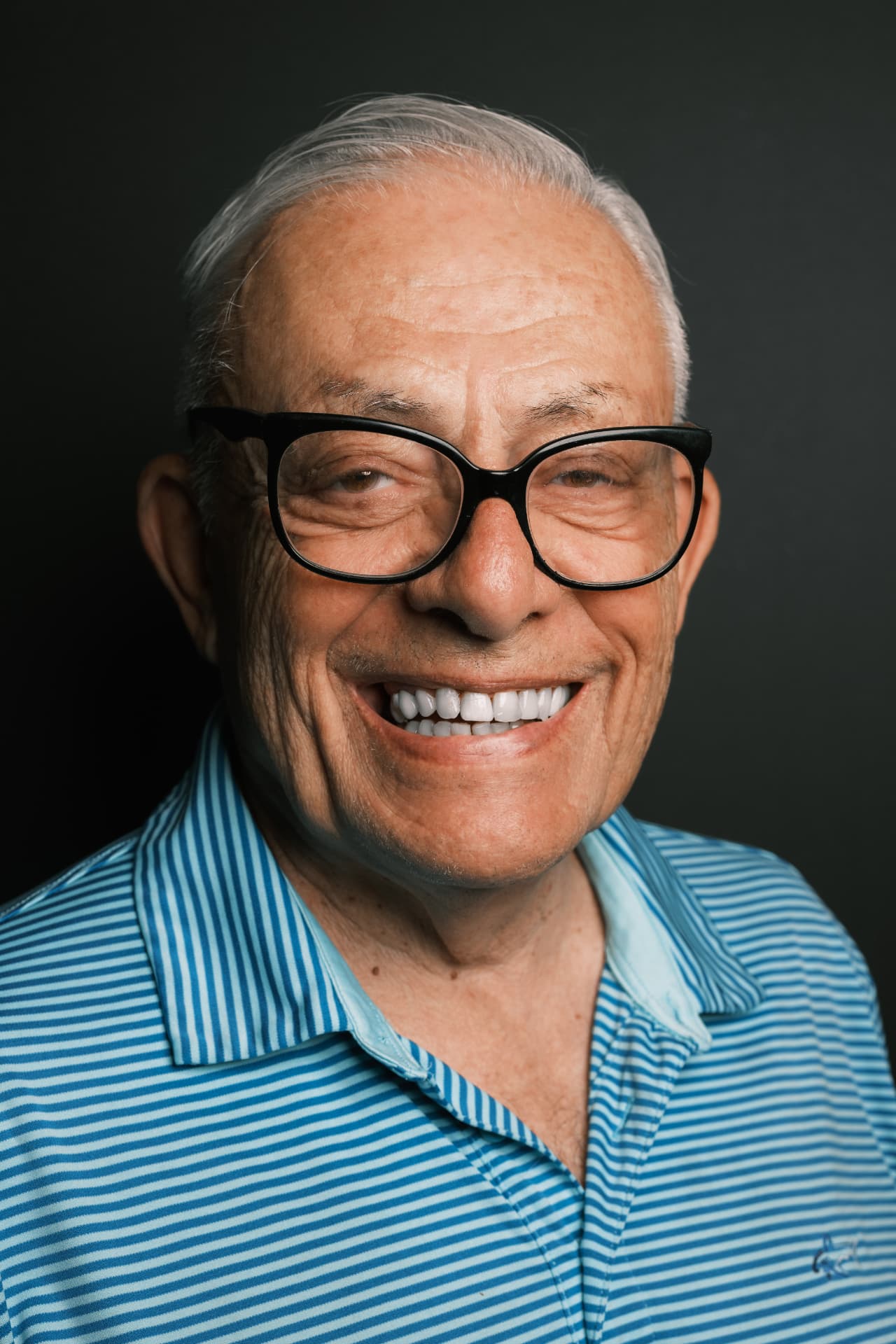
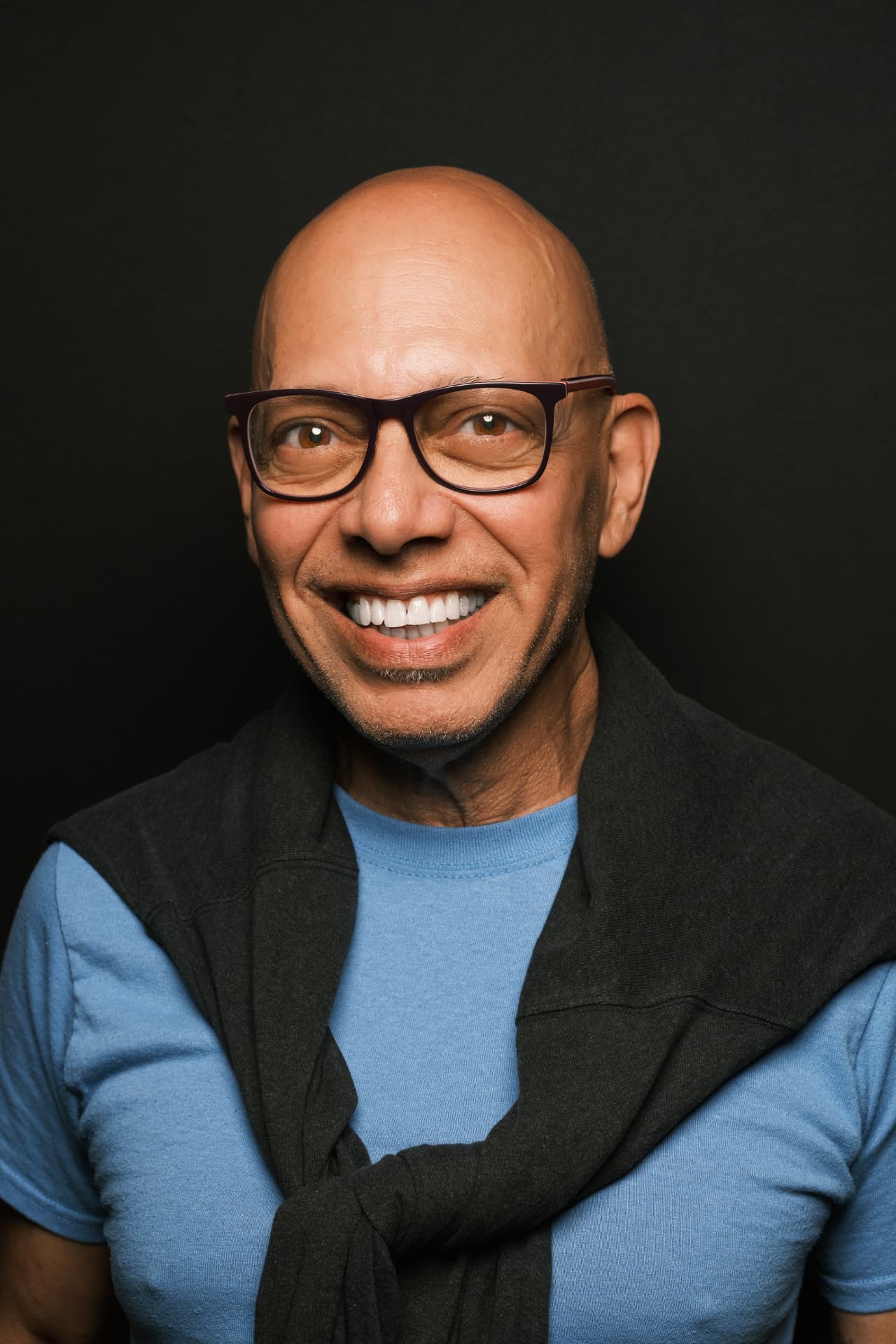
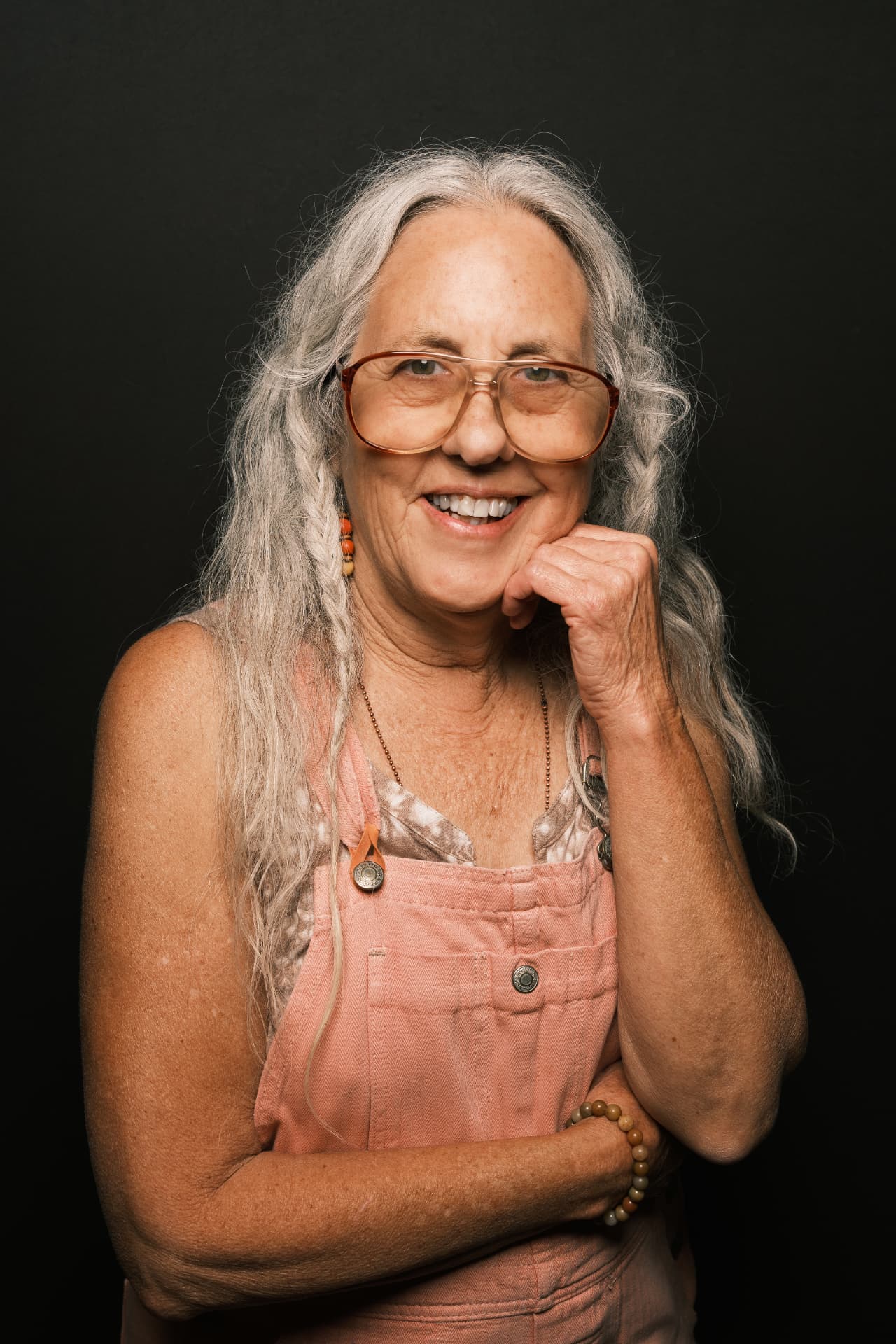
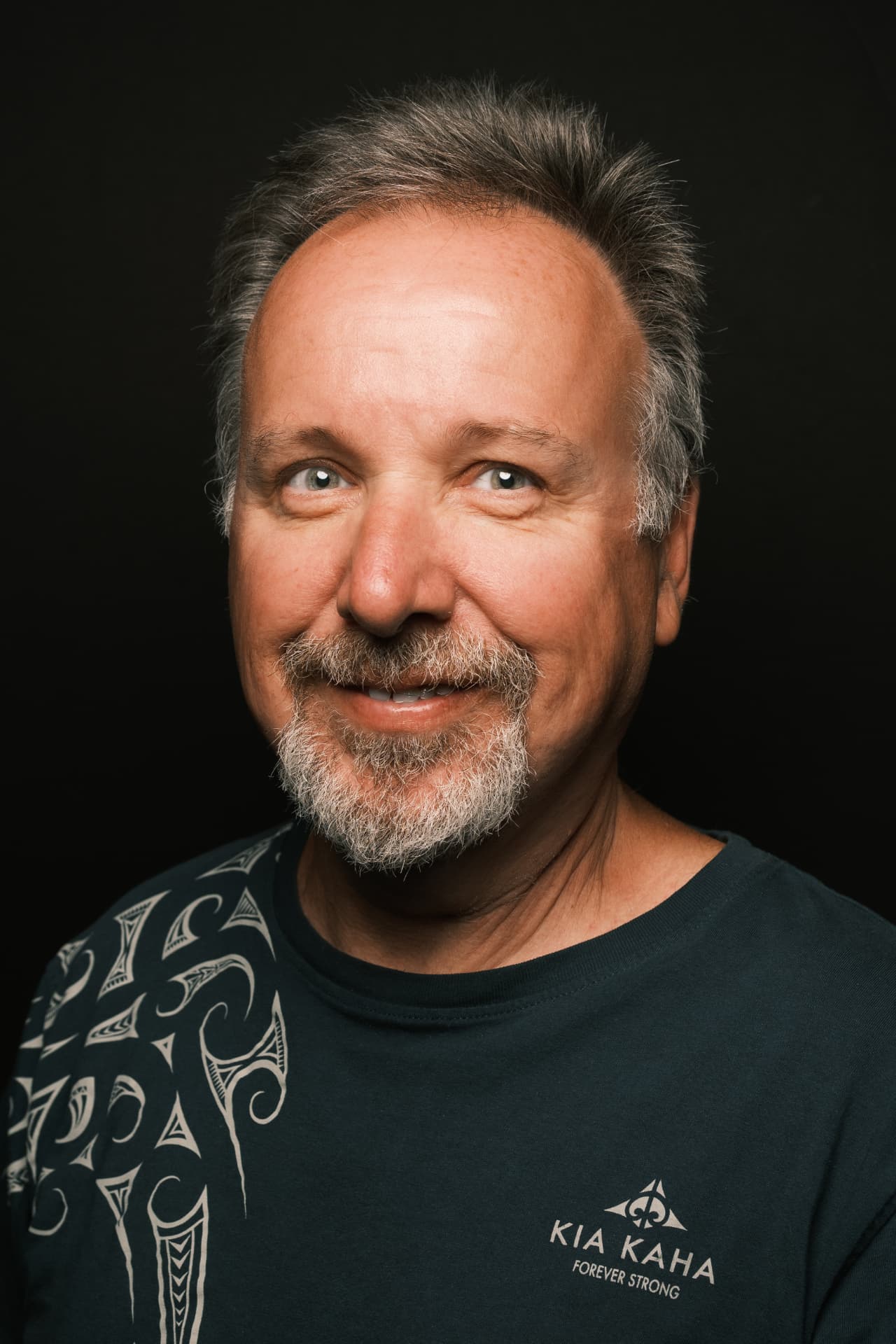
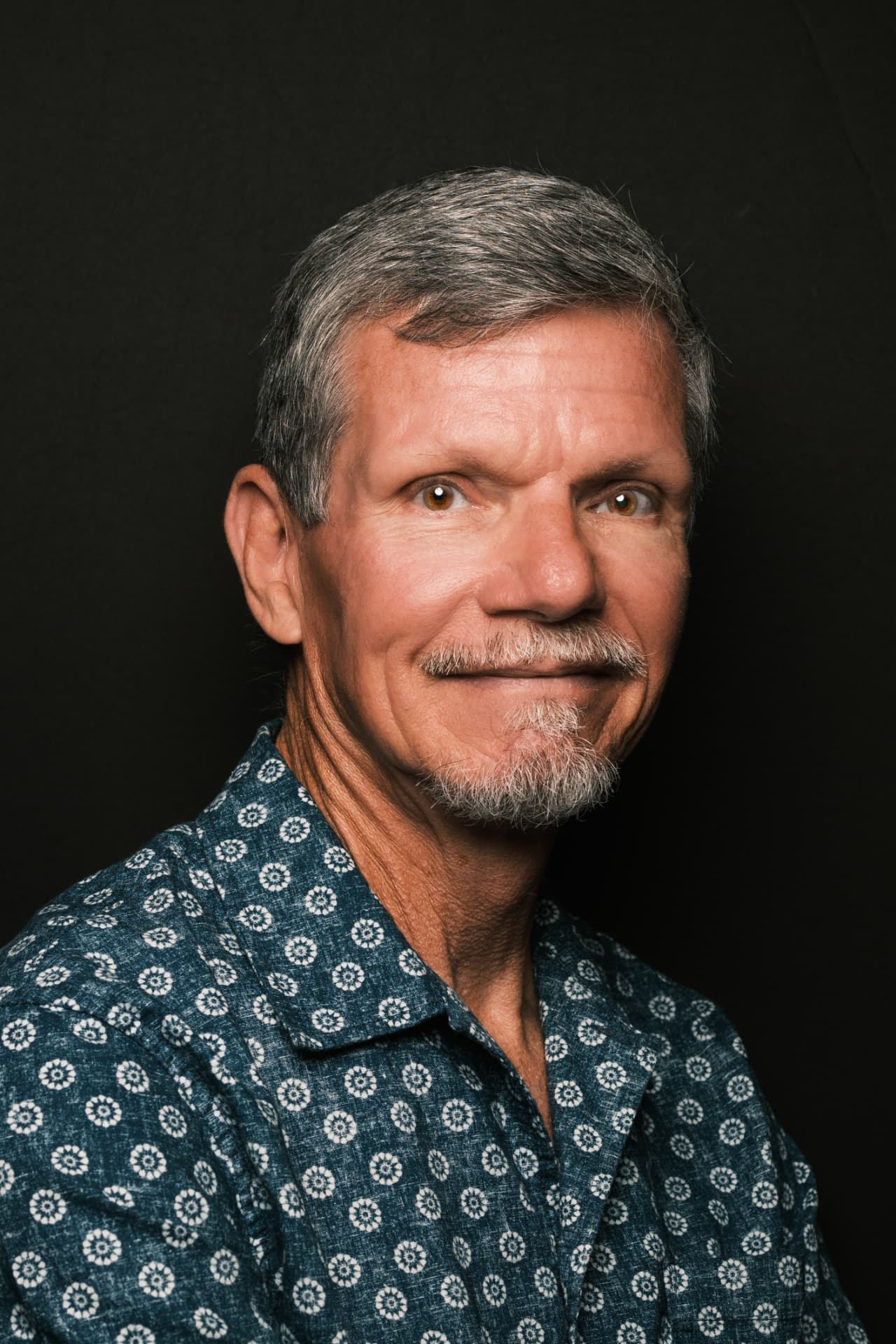
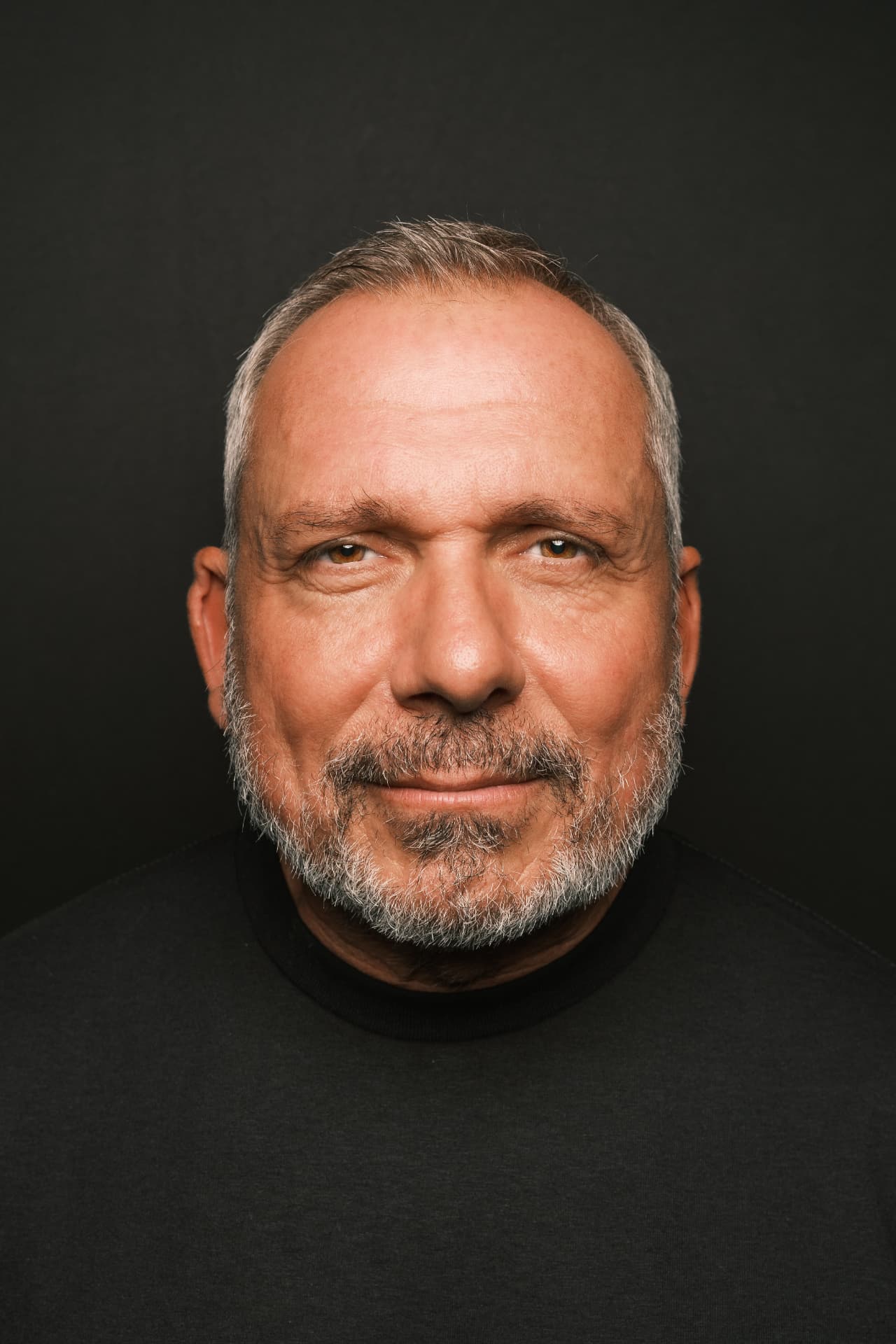
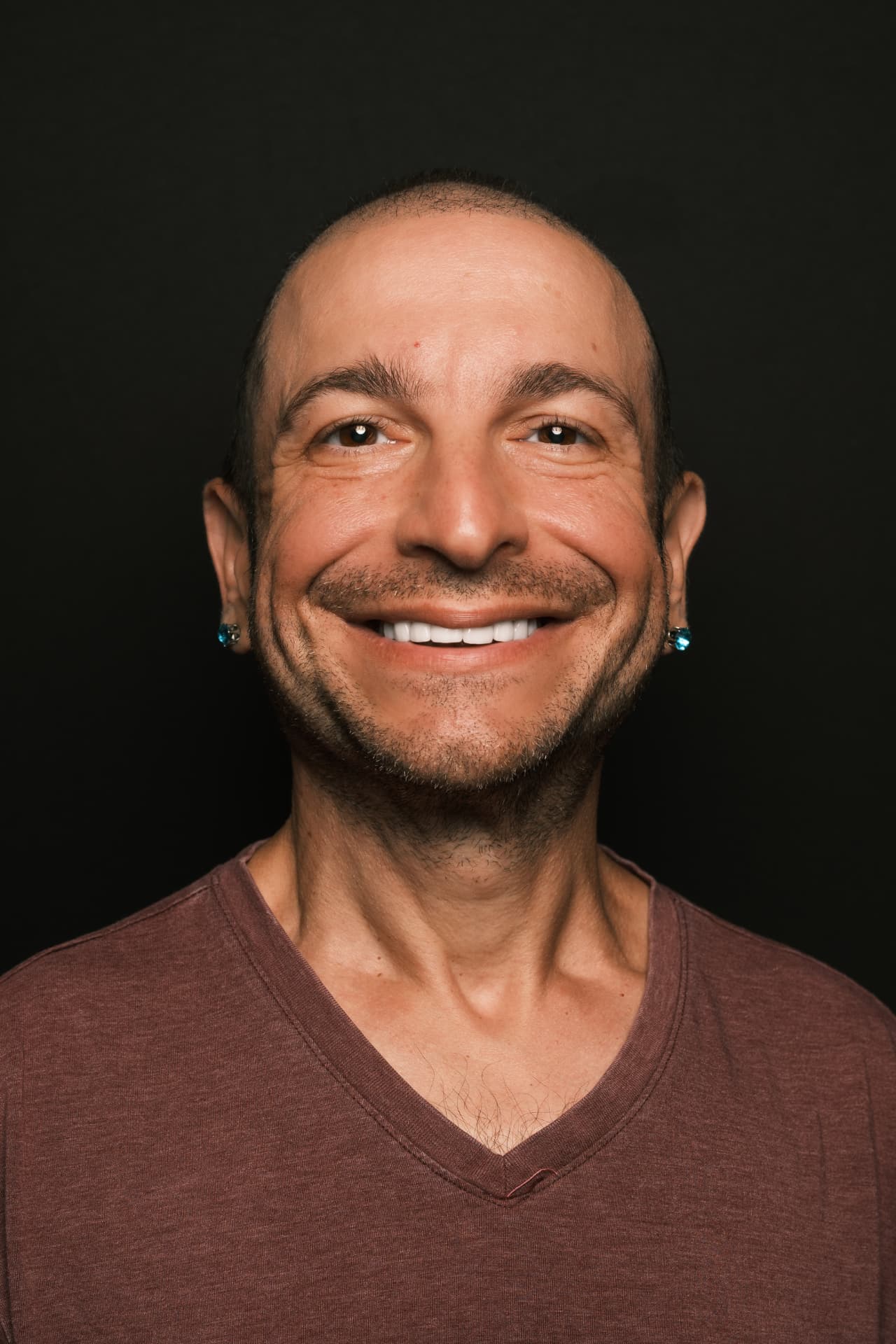
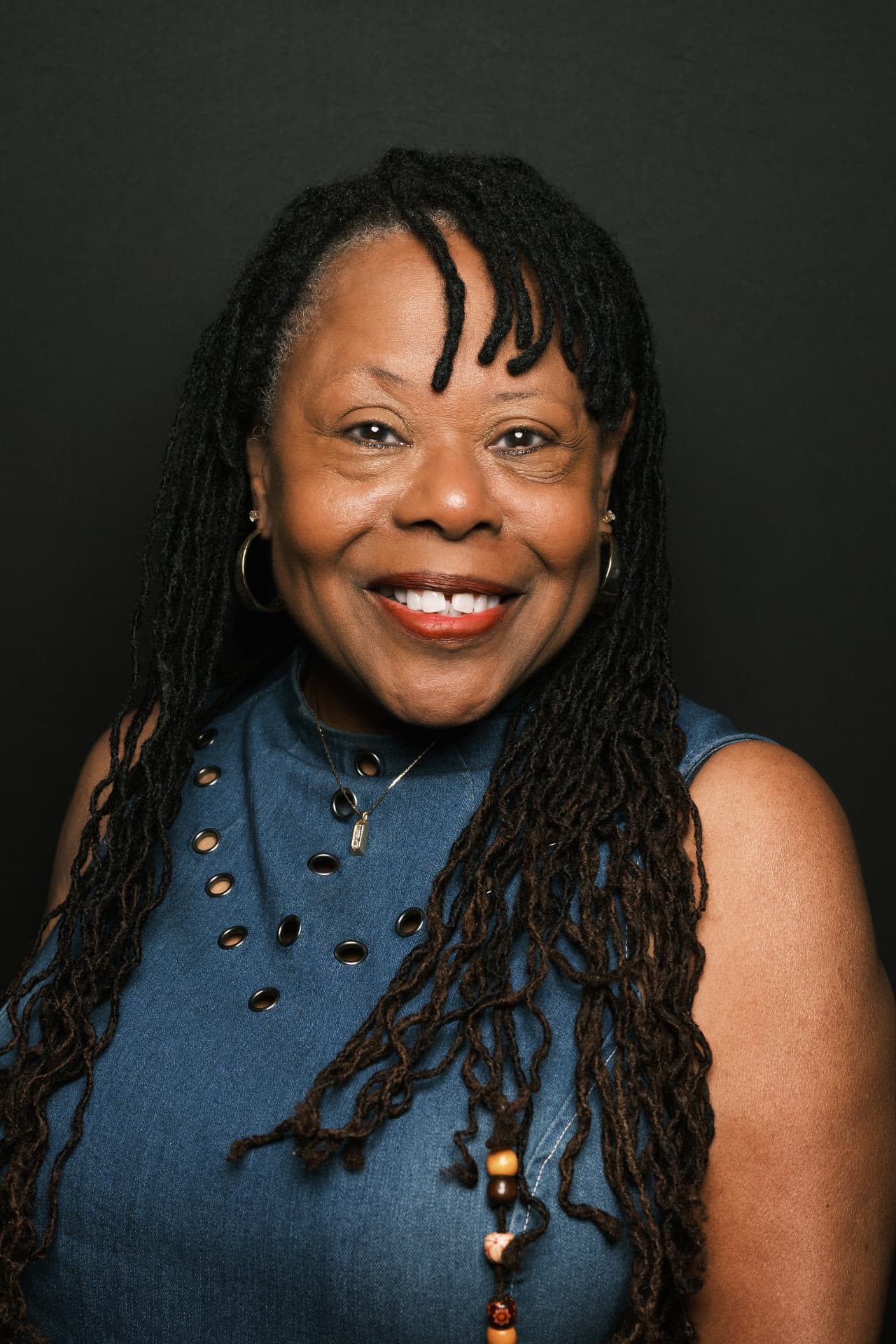
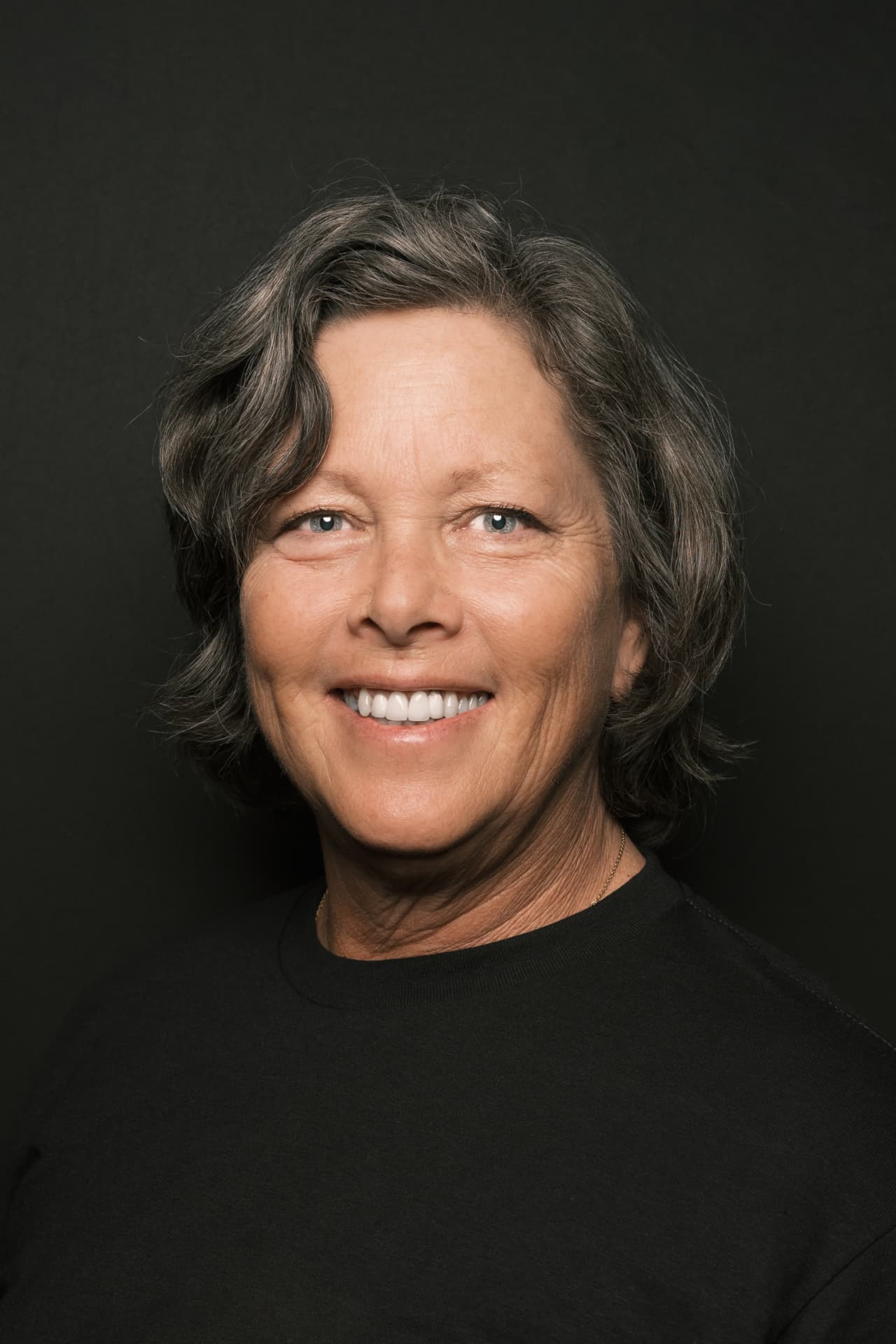
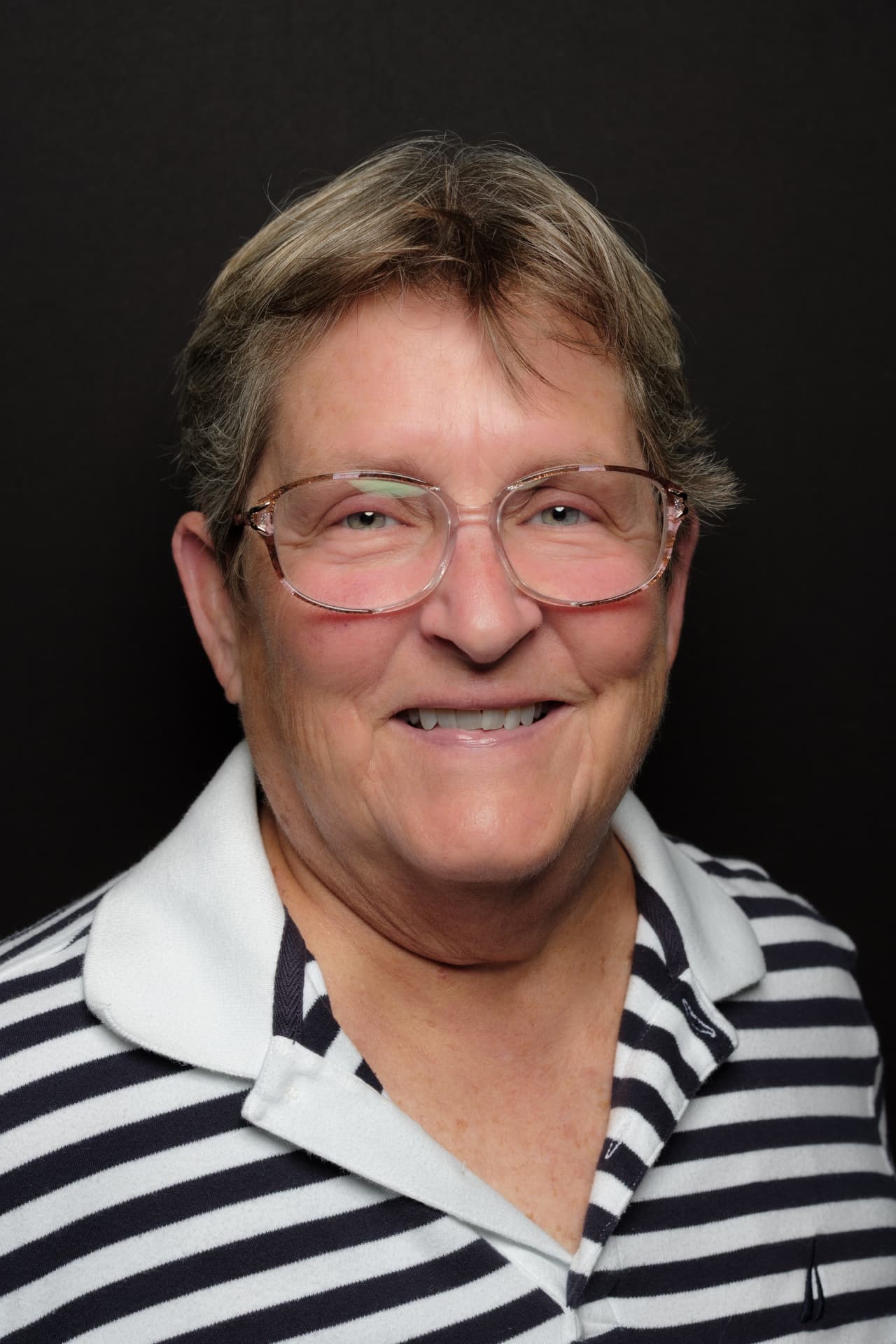
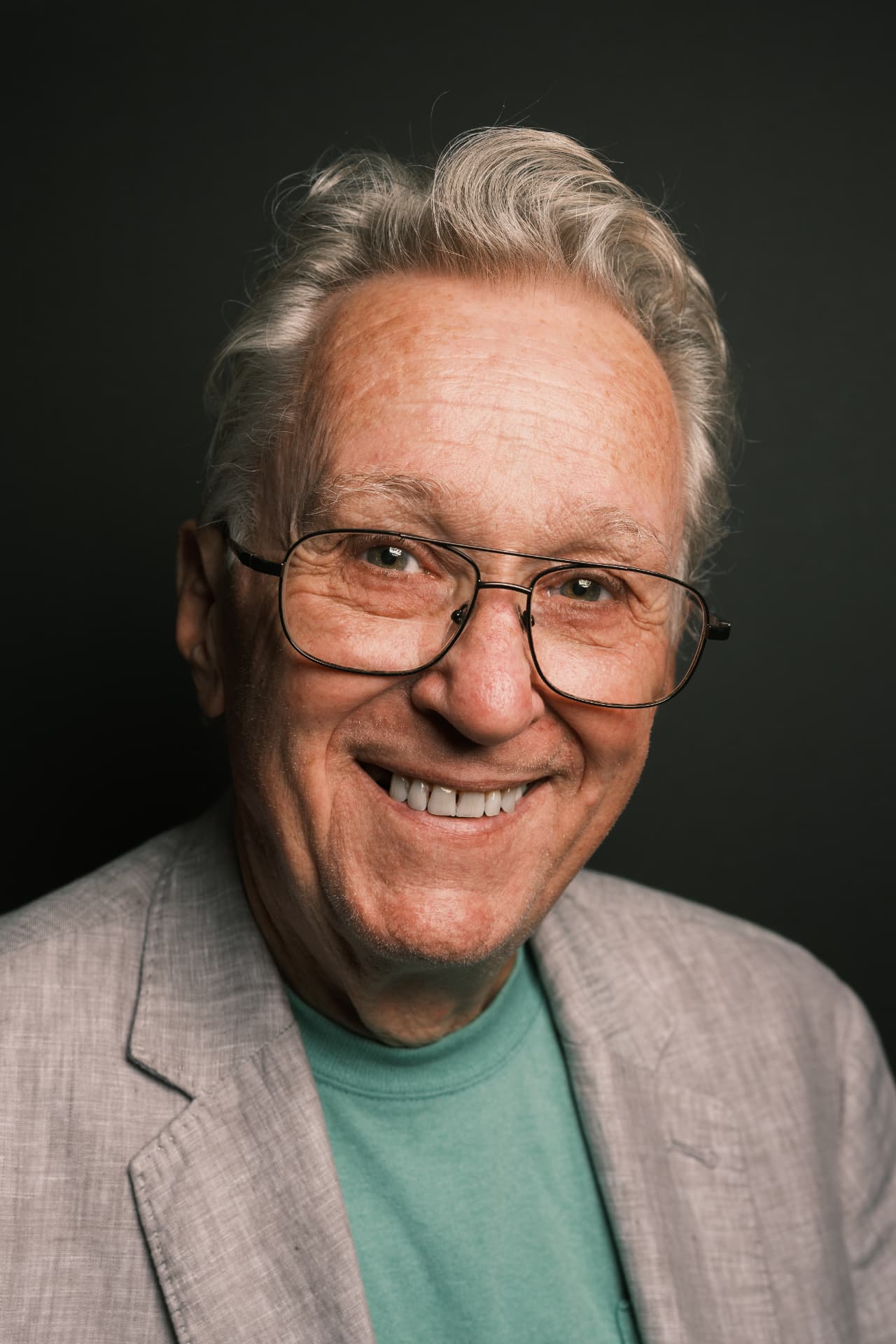
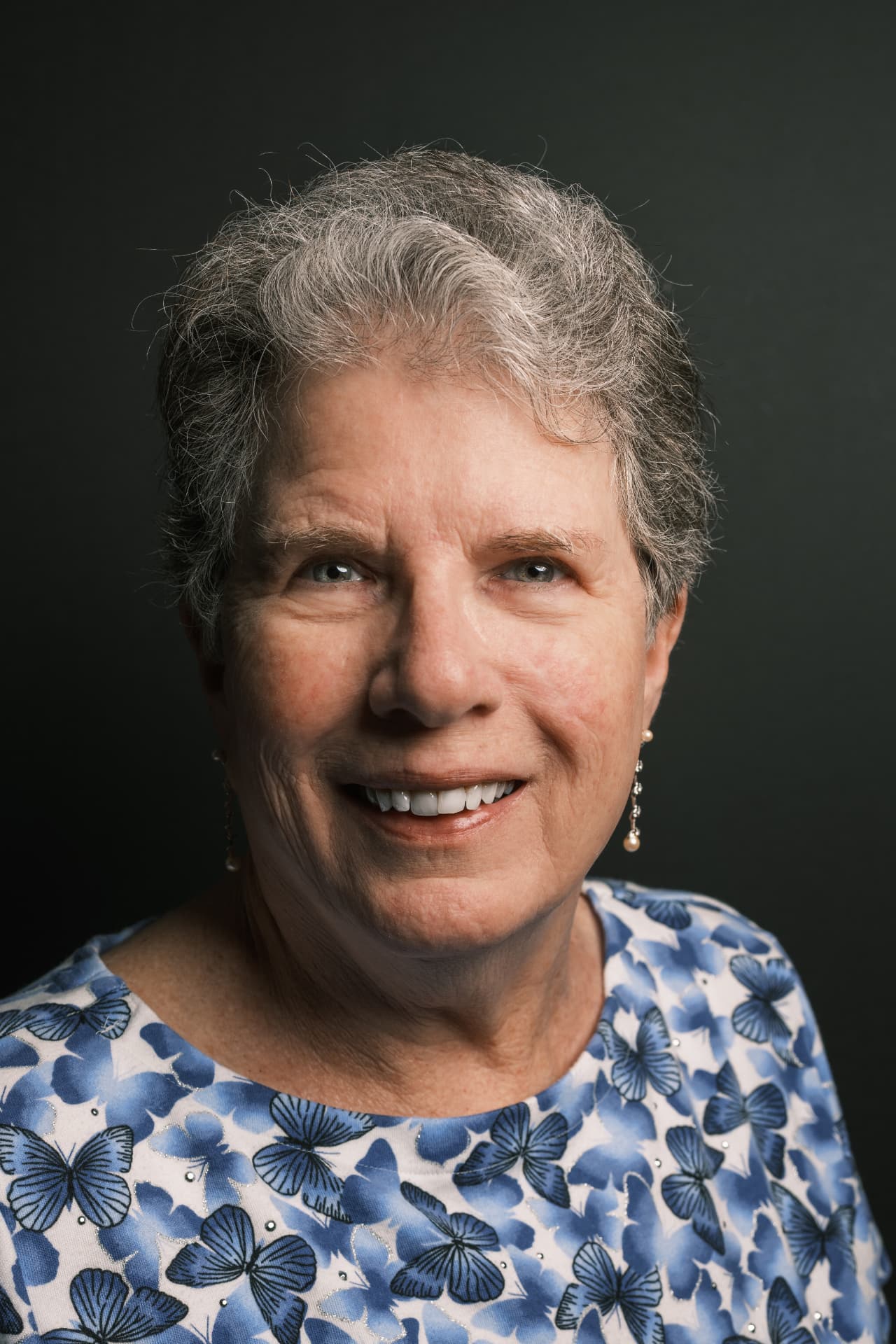
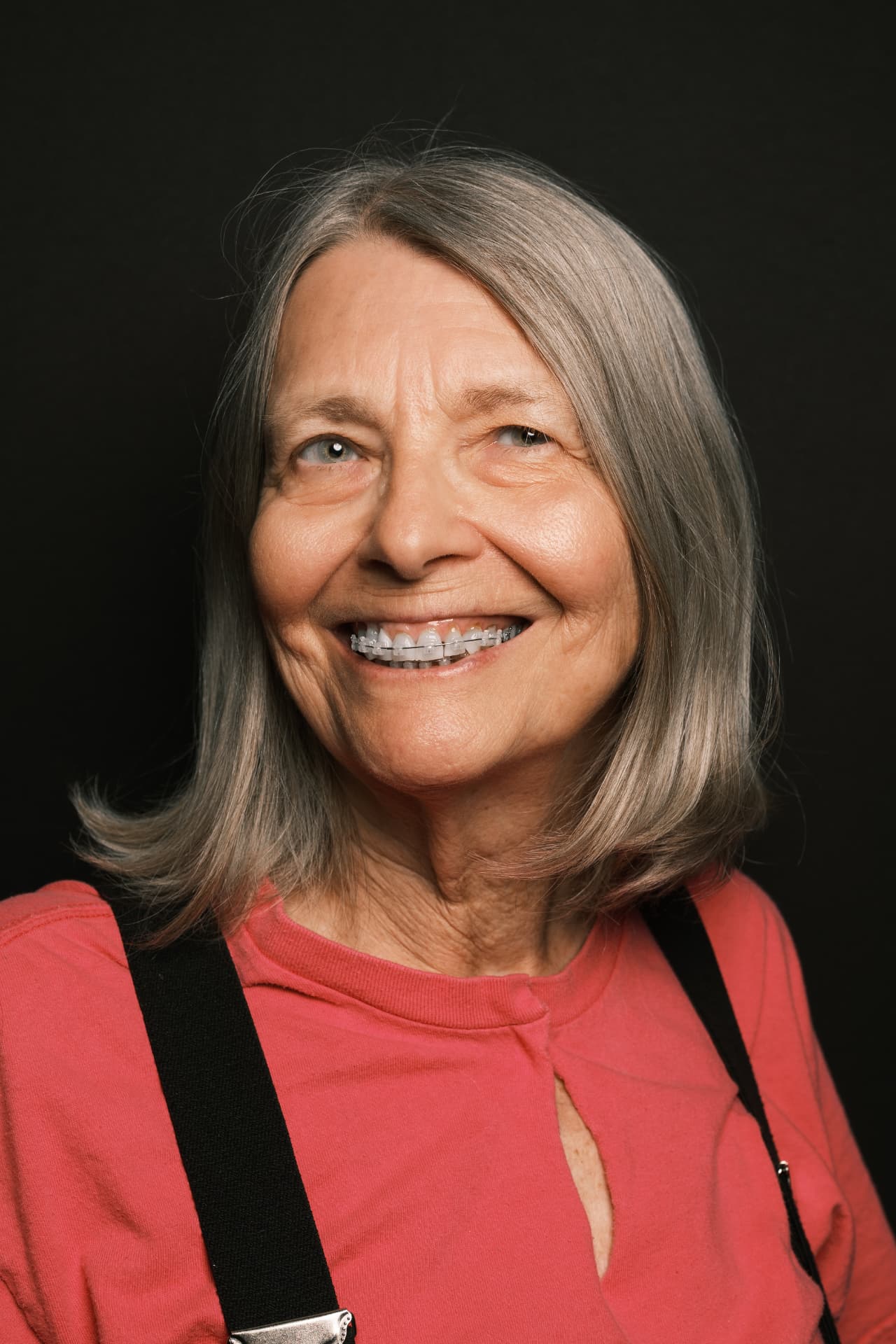
North County LGBTQ Resource Center Presents

Senior Legacy Project

Honoring the Past. Building the Future.

Over the past year, more than 20 LGBTQ+ seniors shared their experiences, reflected on their journeys, and created powerful legacy statements capturing resilience, courage, and hope for future generations.

Through their portraits and their own words, this exhibition honors the lives they have lived, the wisdom they carry, and the lasting contributions they continue to make within our community.

Scroll to experience their stories

01

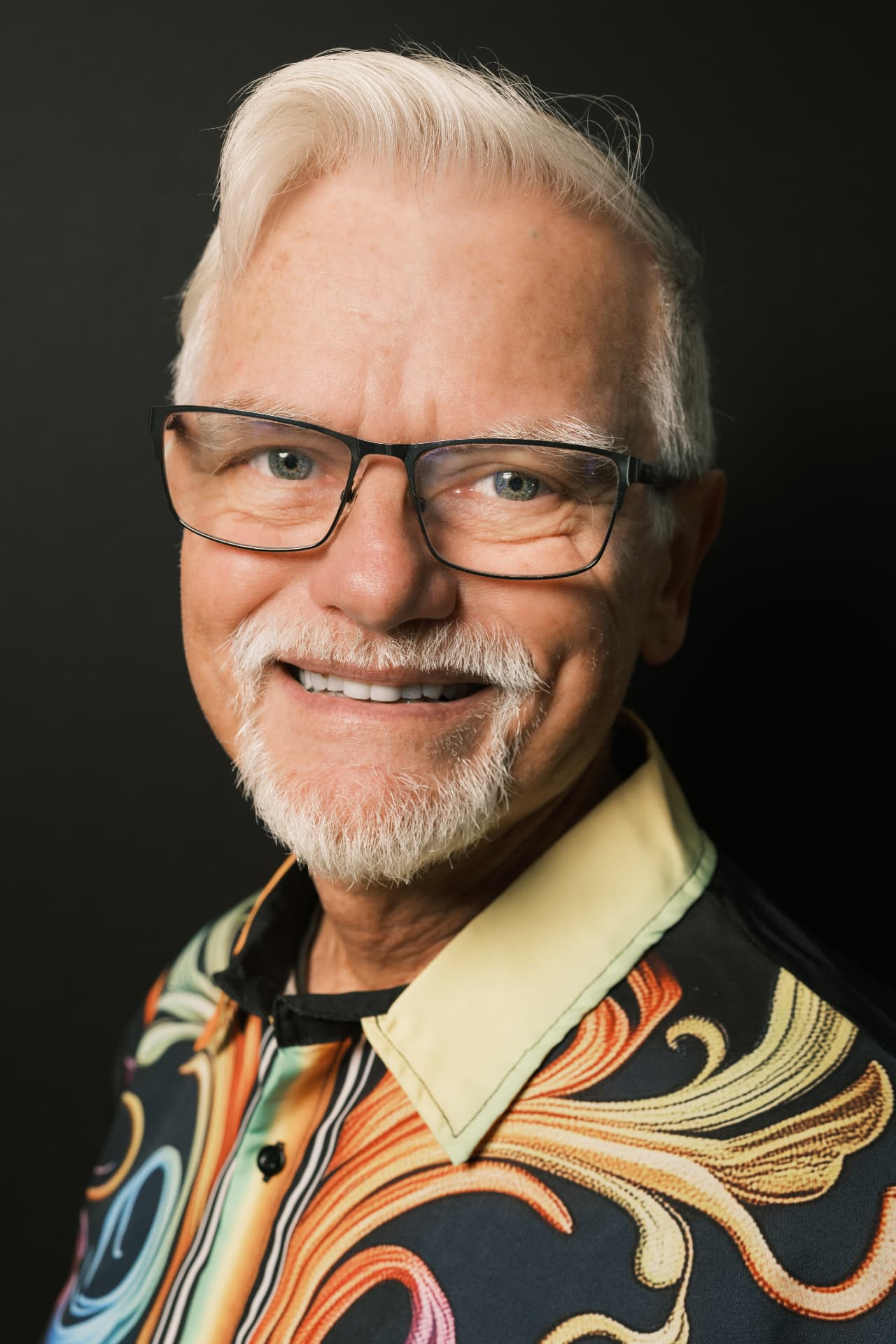
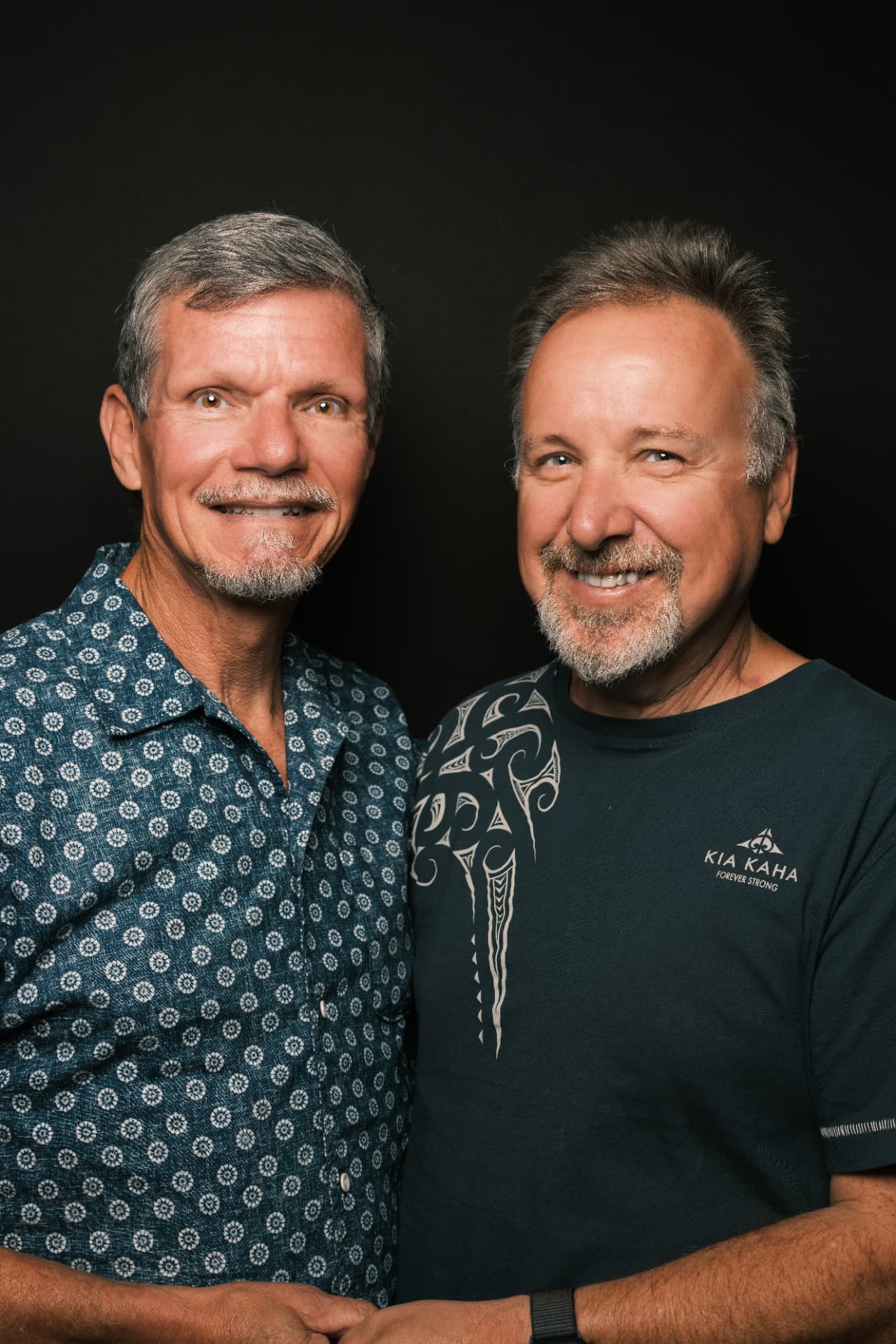
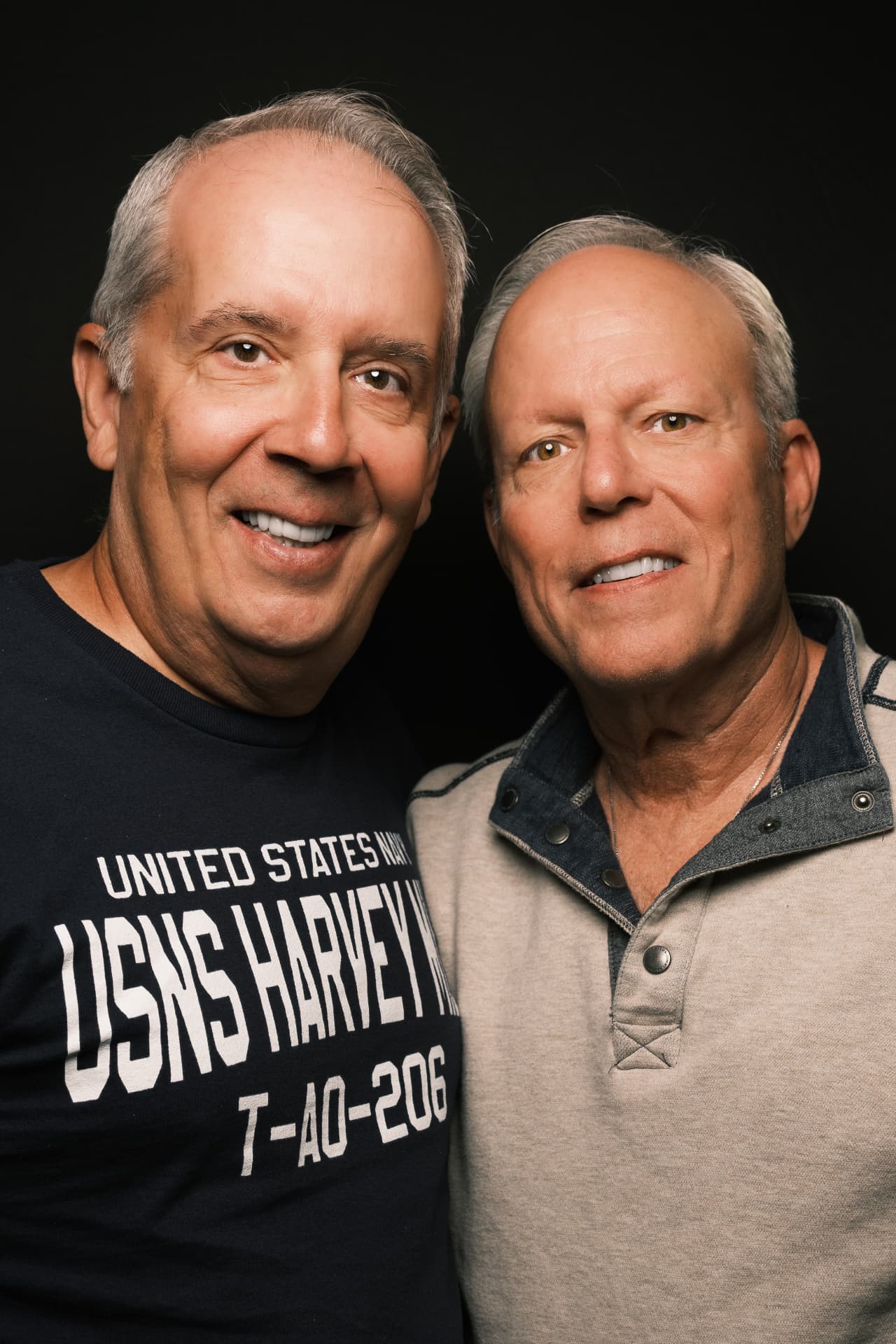
Portrait of Will and James.

Will and James

We have been together for 33 years. Sometimes people say, "That's like forever in gay years." The compliment is appreciated, but it sounds like they are saying that gay people don't have long-lasting relationships, which is not true at all. We have met and become friends with many gay couples who have been together as long or longer than we have.

Although we have been together since 1993, we did not get married until 2008 since same-sex marriage was not legal in California until then. And even then, there was only a brief window of opportunity to get married because Prop. 8 passed soon after.

We would like to stress the importance of marriage equality. First of all, there are over a thousand legal rights attached to marriage, plus there are many other societal issues. For instance, many companies will provide health insurance for spouses but not for "significant others." Also, without marriage equality, society has typically considered our relationships inferior, and by extension, it considers us to be inferior.

Gaining marriage equality has been a long, hard fight, but unfortunately our community's vigilance is still needed, especially in the current political climate. For example, one US Supreme Court justice in particular has stated that he wants the current court to reconsider marriage equality so it can be overturned, like Roe v. Wade was.

And so we hope that we can all continue the various struggles for equality — marriage and everything else — that affect our LGBTQ+ community.

02

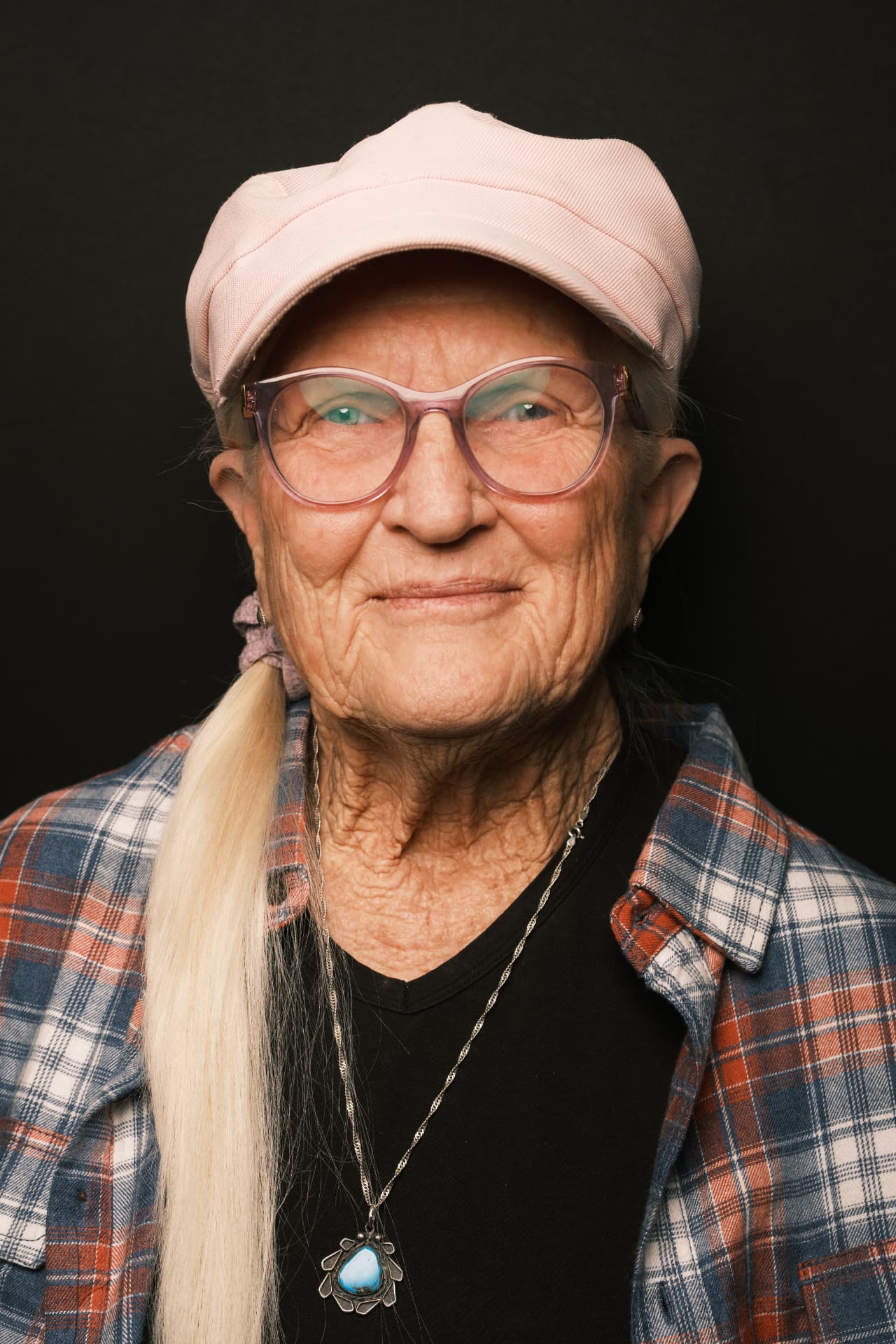
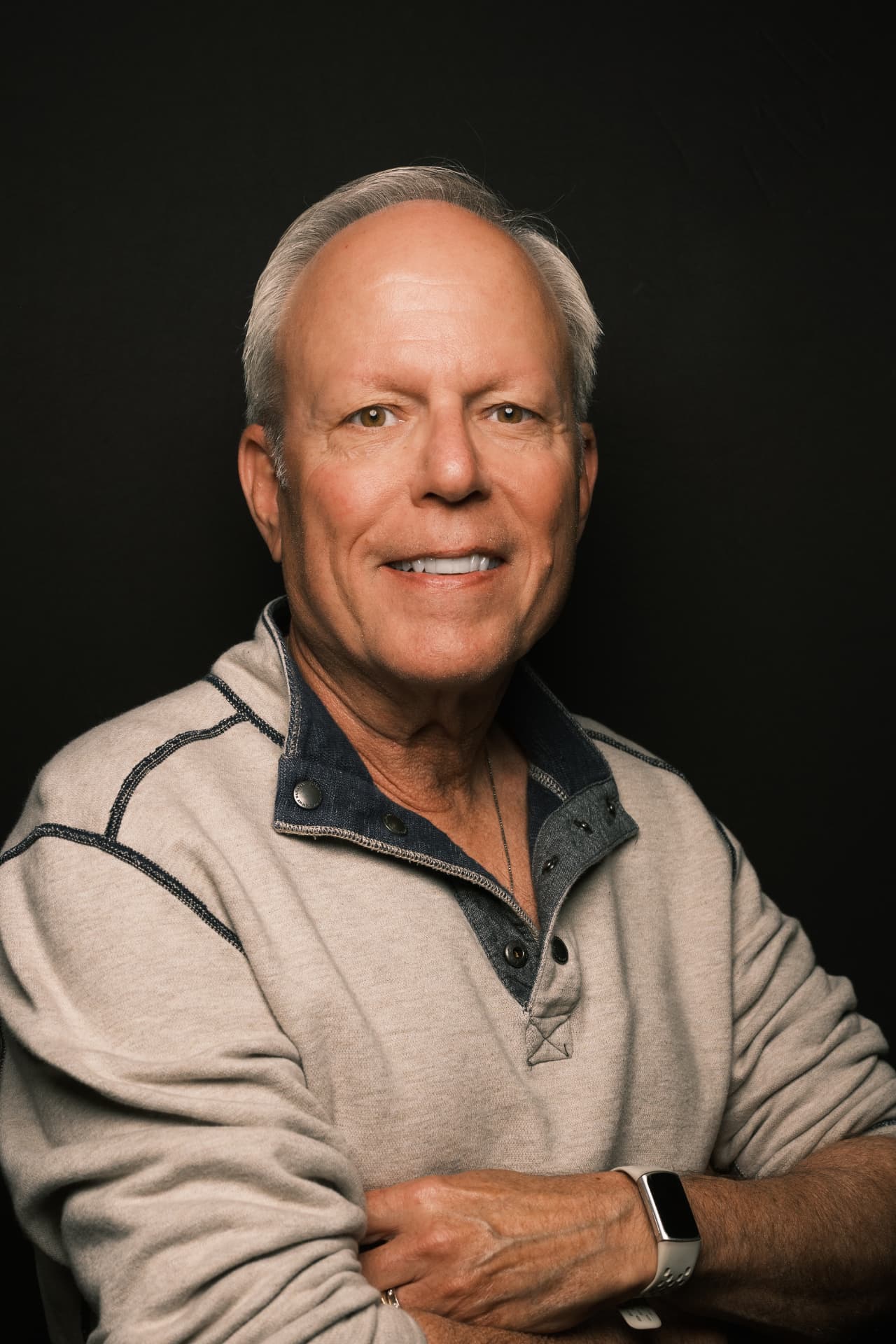
Portrait of Will Bowers.

Will Bowers

You are powerful, and you help shape the future for those who might not have to fight the same battles.

After an early childhood in an all-black area, I found myself as a youth/young adult in the position, like it or not, of representing black people in a mostly white neighborhood and school. I knew some people's perceptions would be formed by how I showed up. Knowing that could affect the treatment of others who would come after was not necessarily my responsibility, but I felt better knowing that being smart, taking part in programs that fit my talents (music, theatre), and making friends of all races played a small part in paving the way for others.

Coming out as gay in my 20's, this same philosophy served me through my early work life. And many years later, I was thrilled to learn that a gay black guy became the class president at my old high school. Fully embrace who you are. And while we're still fighting for justice and equality, be aware of how your presence helps move the needle toward future progress. Let your outside-the-box life be an advantage in developing the artistic, creative, scientific, and social advancements society doesn't even know it needs.

If I were to change anything, it would be to open myself to opportunities I would normally consider outside my comfort zone. So much of life's joy and purpose comes from the unexpected. And having a feeling of purpose makes the inevitable struggles much more bearable. Always, always make room for joy, love, and laughter, and never stop learning and sharing.

03

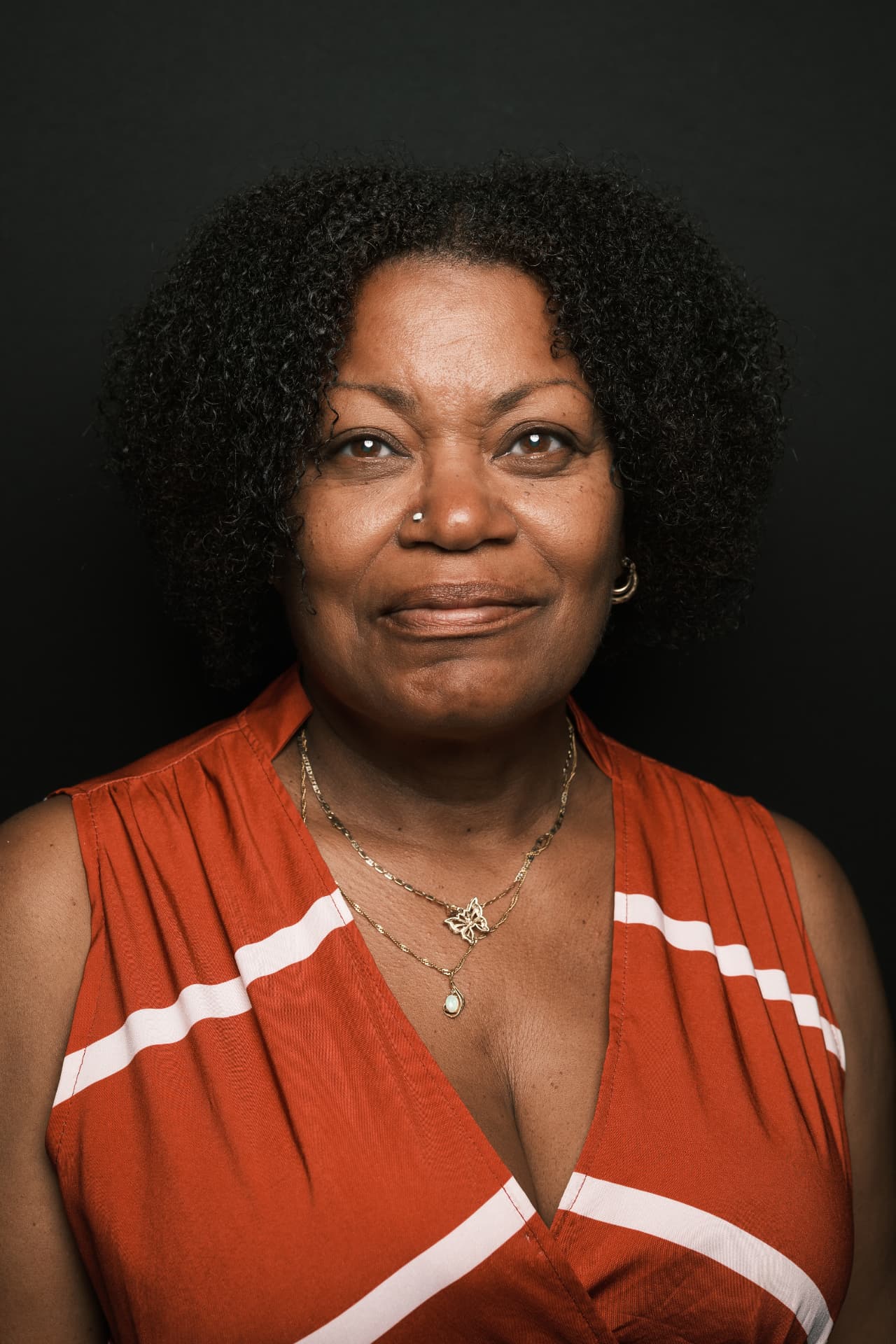
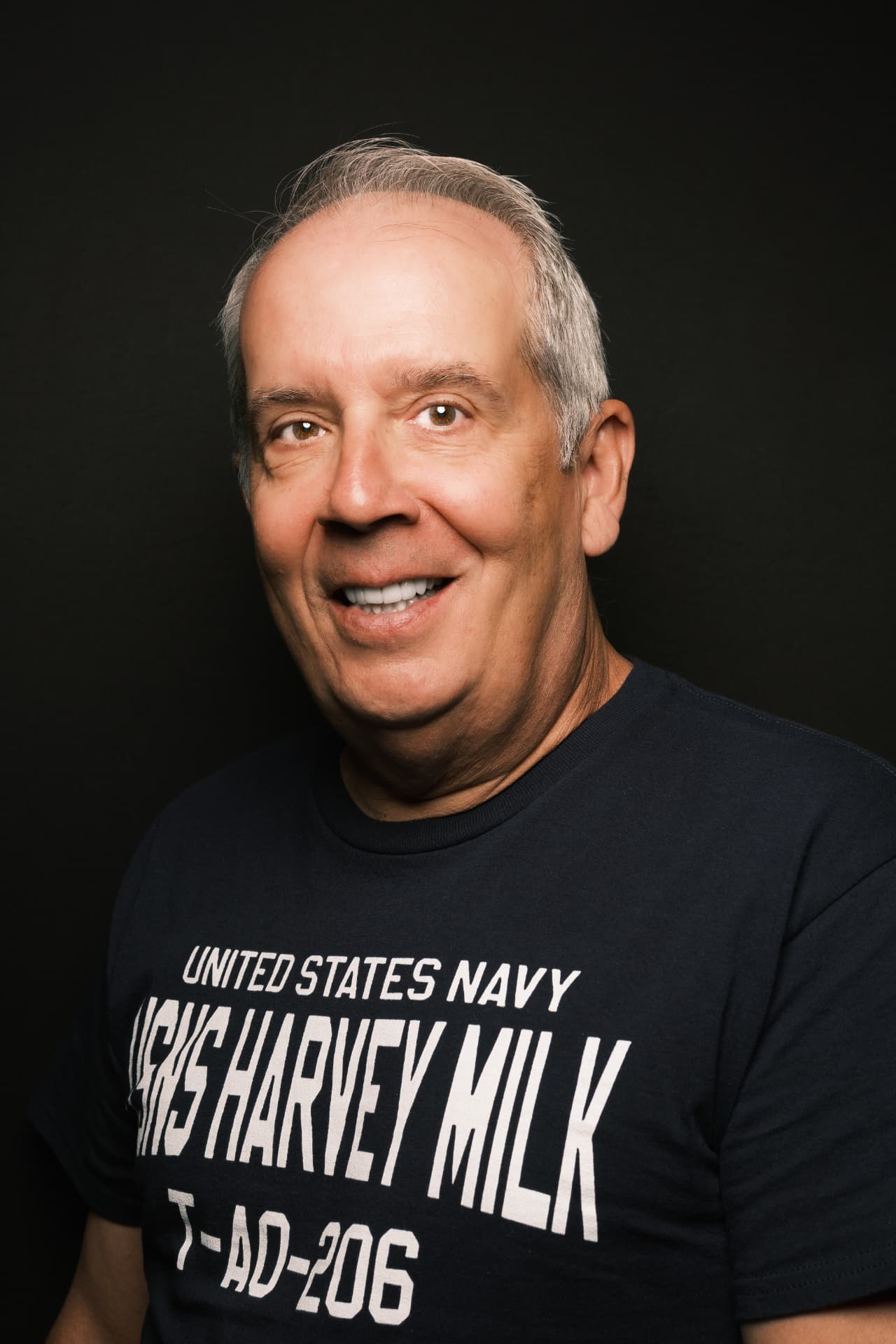
Portrait of James.

James

I grew up feeling like I did not fit in with my family or with the very vanilla community I grew up in. There are things that I would like to tell myself if I could go back in time to my childhood. I know it's too late to do that, but my inner child is still there, and so it still helps to express these suggestions. And it may help others to read them.

Don't be afraid to ask for what you want. You don't always get what you ask for, but you never get what you don't ask for.

Don't be afraid to be who and what you are. Always know that you are a good and wonderful person.

Don't accept disrespect. If someone treats you with disrespect, calmly tell them that they are being disrespectful and discourteous. (You may have to do that repeatedly. That's ok.) If that does not change their behavior, then eliminate them from your life if you can; ignore them if you cannot. In any case, realize that their disrespect is a flaw in them; it does not reflect a flaw in you.

Reveal when you have been abused. Find someone to talk to who can be sympathetic and helpful. Yes, it takes courage, but it is actually less painful to discuss it than to hold it in. And know that it is not your fault; it is theirs. It is their shame, not yours.

04

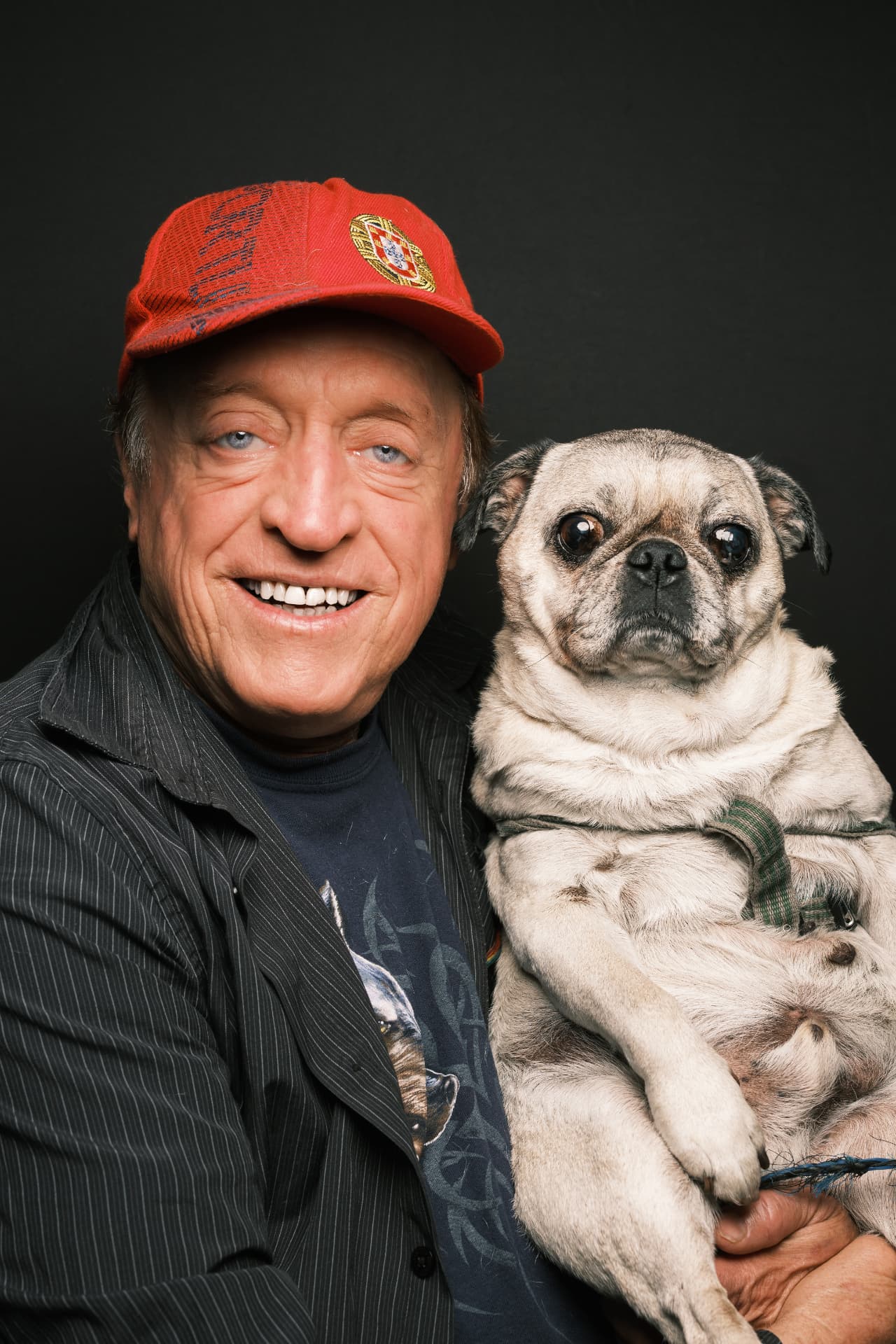
Portrait of Anna Kay Compton.

Anna Kay Compton

My story is not special, but it is amazing. It is amazing to me. As I look back on my time in the senior legacy group, I realize how important it is to set aside time to be with each other. We need the space to hear each other's not so special but amazing stories. What makes our stories amazing and special are the lessons we learn along the way.

Here is a thumbnail sketch of my life and the lessons learned.

Until I was 50 ish, I thought our parents ended up in Arizona after a long trip from Arkansas in a model A where they ran out of gas and money. My dad got a job painting citrus tree trunks white. I can't remember why they wanted them white. My mother said we lived in chicken coops! This is a fascinating and captivating story but not true. Me and my younger siblings thought it was true and shared with our friends. We were raised to not speak unless spoken to, and therefore we never questioned it. What I learned is history is subjective.

In my 20s, my auntie admonished me that me and my younger siblings never appreciated what she did for us. We were children. What I learned is, I will do for others because I love them and it makes me happy. I won't have expectations of their appreciation. And, I learned something else. It is very possible my auntie was upset with her sister, my mother, and I was a safe place for her to vent.

During my 20s and 30s, I lived a closeted double life. I came to California to try and escape the anxiety that caused. I had such a fear of losing the love of my family. The lesson I learned. Trust yourself and your family. Years later I found out they knew anyway, and they loved me, anyway. After 50 and going through a tough break up, I thought I was going to die. But I then picked up the pieces. My mare was pregnant and I had her to think of. The lesson I learned here was I was stronger than I ever thought I was and people split up and don't die. I was going to be just fine. And then I found Linc and my life took an amazing turn. I found a group of lesbians who met every Friday at a safe place, Palomar universalist fellowship Church. My whole world expanded I found a community that was a culturally, ethnically, economically, and sexually diverse group of people. I found pride! Of all the lessons I learned as a member of LINC what I remember most are the ones that helped me grow as an individual. Thank you LINCers!

As I reflect on where I came from, how I managed my life, and what I could've told my younger self, I don't think she would have asked for advice from an 83-year-old. And wouldn't take it if it was given. All in all, she, I, we have done all right.

I thank the North County LGBTQI Resource Center, Max and the crew of Miracle workers, that has made a safe place for everyone. You have succeeded!

A little Center that could is doing it!

With love and sincere gratitude,

Anna Kay Compton

05

Portrait of Shor Denny.

Shor Denny

When I reflect on the legacy I hope to leave behind, I do not think about titles, awards, or accomplishments. I think about people. I hope to be remembered for the lives I touched, the hope I inspired, and the communities I helped strengthen. If I have helped even one person believe in themselves, find healing, or discover a sense of belonging, then I will have fulfilled my purpose. As a proud lesbian for more than forty years, I have experienced discrimination, rejection, and heartbreak because of who I am and who I love. Those experiences were painful, but they also gave me a deep understanding of the importance of community. I know what it feels like to search for places where you can be your authentic self without fear. That understanding became the foundation of my life's work. I wanted to help build a safer, more connected LGBTQ+ community where every person feels seen, valued, and supported. My commitment to community extends beyond my own experiences. Throughout my life, I have worked to create opportunities for healing, resilience, and connection for people from all walks of life. Through founding Community Now, I have dedicated myself to addressing trauma, advancing racial justice, preventing violence, mentoring leaders, and building partnerships that strengthen communities. I believe that people thrive when they are connected to hope and to one another. One of my greatest joys has been mentoring others. Watching someone discover their own strength and confidence has been more rewarding than any professional recognition. Leadership, to me, has never been about being in the spotlight—it has been about helping others find their voice and empowering them to create positive change in their own communities. Writing Spice Cabinet Healing allowed me to share another part of my heart. It reflects my belief that healing comes in many forms and that the wisdom passed down through generations should be preserved and shared. I hope the book encourages others to reconnect with themselves, their families, and the healing traditions that have sustained communities for generations. Above all, I am most proud to be the mother of my daughter, Sapphire. She is beautiful, intelligent, creative, and compassionate. More than anything I have accomplished, I hope the values I have lived—kindness, courage, integrity, resilience, and love—are reflected in the woman she continues to become. She is my greatest legacy.

When my story is remembered, I hope it is not because of the programs I created or the book I wrote, but because I helped people believe in themselves, created spaces where they felt they belonged, and showed that compassion has the power to change lives. The discrimination and heartbreak I experienced did not define me; they strengthened my determination to ensure others would not have to walk alone. If the seeds I have planted continue to grow through the people I have mentored, the communities I have strengthened, the readers inspired by Spice Cabinet Healing, and the love I have shared with my family and friends, then I will know I lived a life of purpose. My legacy is one of hope, healing, authenticity, justice, and love—a legacy that reminds others that every person belongs and that together we can create a more compassionate and connected world.

06

Portrait of Jimmy.

Jimmy

Being gay has been an extraordinary experience. At first, it was a dilemma that scared the hell out of me. I thought I wasn't normal, and I felt incredibly isolated because I had to hide who I was and the feelings I had. When I turned 18, I met other people in the gay community and realized that being gay wasn't the dire circumstance I had imagined. It opened the door to a much fuller and happier life.

I've lived my entire life in suburbia, so I've spent most of my life surrounded by the majority heterosexual community. At the same time, I've been an active part of the gay community throughout my life. I'm not sure what my legacy will be, but I've had an extraordinary life despite being part of a marginalized group. One thing I've observed is that, as a white person, I was part of a privileged majority in one respect, and because being gay isn't always visible, I could often hide that part of myself. Living within that majority also showed me how easily those with privilege can feel entitled to repress other marginalized groups, including women.

I've had many beautiful relationships throughout my life, and I feel incredibly fortunate. Even though I never found one lifelong partner, that's okay. My life has been full of love, friendship, and meaningful connections. We are living through difficult times for the gay community, as well as for many other communities. Women have lost reproductive freedoms they had for 50 years. Even so, one thing I have learned is that the gay community is remarkably strong, resilient, and a vital part of our world. We have faced adversity before, and we will continue to endure, grow, and help build a more compassionate future.

My hope is that everyone can be proud of who they are, despite the efforts of others to diminish or attack them. Our differences are not weaknesses—they are part of what makes our communities stronger.

07

Portrait of Steven Burrell.

Steven Burrell

Born Aug. 2 1945 Auburn Ca. Parents Harold and Floriene Burrell, and had brother Tony who was two years older. My father was a Purple heart vet of WWII, served in the Korean War. The first ten years moved from base to base. I grew up in a small Ag. town in Northern Ca. Marysville Yuba City. AA degree from Yuba College. B.A. in Fine Art and Soc.Science Sacramento State. I met organizers from the United Farm Workers Union in the summer of 1967. I was then recruited to join their grape boycotts like many other students. This changed the direction of my life,like many others at that time. Social Justice movements like workers rights gay rights and the under-represented have been the focus of my life. I ended up being actively involved in politics, because I felt working people and oppressed people needed their voices heard. I have most recently focused on fighting for queer rights, older people's rights, homeless people, and the poor. I still have a passion for fighting for the working people's justice and against the oppression that we face here, and in the world.

08

Portrait of Alexis De Bram.

Alexis De Bram

My name is Alexis (He, Him) I was named after my Godfather. In times past, Alexis was exclusively a man's name but years ago the girls slowly started to take it over. The ambiguity of my name is one of the reasons I go by Alexi now.

I grew up a lonely child despite being surrounded by a loving family and many other kids my age on the block. Somehow I just did not fit in. The LGBTQ anthems "Express Yourself" by Madonna, "A Quien Le Importa" by Thalía, or "Pink Pony Club" by Chappell Roan did not exist when I was growing up in New Orleans. As a child, my neighbors were all white. My family was a conservative Catholic family from Central America. A family of Europeans who mixed with the Indigenous peoples of Nicaragua and Honduras. I somehow knew I was different, so I rarely went outside to play with the other kids. Looking back on all the social pressures, cultural differences and racial divides of the day in the mid-to-late 1960s, it was no wonder I kept my focus on school and completing homework assignments. One day in 1967 or 1968, in fourth grade, all of a sudden, Black students were being bussed to our elementary school. That is when I met my very first Black friend who was about my age. Steve and I quickly became best friends. Once we got home from school, Steve and I would talk daily over the family landline phone. The N-word was never uttered in my home thankfully! Plus we spoke Spanish at home anyway. I wonder if the reason Steve and I got along so well was because we both felt like we didn't fit in with the majority of the white kids in our school—even though legally, I was lumped into the white kid category. Or perhaps we were, even at young age, attracted to one another without realizing it? Sadly, we lost touch once we went on to Junior High. I realize now that I was burying myself in my homework as a survival tactic, despite feeling isolated I was incapable of any self-discovery at that age.

In today's world, we all seem to have many more choices. Does one identify as non-binary, asexual, trans female, bisexual, pansexual, polyamorous, demisexual, non-cisgender, intersex, gender fluid, or trans male? Of course, all of the above labels existed 10 years ago, 50 years ago, 100 years ago, but nobody had the freedom to express themselves as such. But let's remember that there are some states and some cities in the United States of America where you will be killed if you identify with some of the above labels—and I mean in today's world of 2026, no matter how liberal or progressive your city or state may be. Too many of us experienced how exhausting it is to live behind a facade, a mask but most of us were never taught how to exist otherwise. Trust was extremely difficult to find back then, perhaps still today under the current administration in D.C. Coming out is wonderful if one can do it safely, with family and with peer support. Quite sadly, too often the opposite happens.

Apparently, I had focused so much on school in junior high and high school, I wound up graduating early, with honors, in the top 10 of my class, at the age of 16 in May 1975 then I started my first college semester that June at LSU, first at the University of New Orleans, then LSU Baton Rouge. I was quite surprised how gigantic these schools were. I learned very quickly how to be discreet. Even though I had no more family around, I found myself leading a secret life, trying to meet other young students on campus for gay fun in between classes. One of the LSU quarterbacks and I started to secretly meet in a classroom that was "never" used. ¡Escándalo! Was it thrilling? YES!! However, regrettably, I could never even think about bragging to anyone my adventures with the team quarterback! Too bad Lady Gaga's "Born This Way" was decades from being played on the radio. How would college kids at fraternity & sorority parties of the 1970s have reacted to such an LGBTQ anthem back then?

Once I graduated college, I received a scholarship to study in France. But even in other countries, I had to hide who I was. When I returned home and started working for a large corporation, I felt I had to continue hiding my true self. For a long time, the corporate world required the same strict discretion I practiced in college. It was not until many years later my company, AT&T and other companies finally allowed LGBTQ employees to officially and openly meet, bringing a long-awaited sense of community to the workplace. I learned that an incredible strength is being our authentic self. Building an inner circle of true allies one can trust, is critical. Tragically our current government in D.C. wants to destroy all the progress made by our LBGTQ Leaders and Allies. Our Senior Legacy Project monthly meetings here at the North San Diego County Resource Center have been a breath of fresh air in this difficult environment. The Senior Legacy Project has been a beautiful gift I will always remember. Here, finally, I feel safe being myself. Thank you! Alexi

09

Portrait of Jeannie Ortiz.

Jeannie Ortiz

When I first came to LINC, I had been looking online for years and didn't even know we had a Center. I had been raising my three sons by myself for ten years, still teaching the first 5, then subbing, then so happy to get a grant to teach sculpting to underserved teenagers in 2011. I still teach Art in a different after school program. I arrived at Pride by the Beach in 2014 because Kait Matthews, owner of Artbeat on Main Street, wanted someone to work the booth at Pride. I volunteered on the spot, this was my chance. Sue signed me up with LINC and invited me to her Halloween party. After the trick or treaters, I went, and it was so much fun!!! I went to every gathering thereafter. By July the long timers at LINC were bored and restless and shut it down while I was in Mexico with family!!! I called from Veracruz to complain, I'd been with them less than a year. It wasn't long before I turned my energies to protesting and canvassing for Bernie Sanders. I often saw Max and met Steve Burrell. Ten years later, Kay, aka. Big Mama, had been leading her latest iteration: Women's Discussion Group, and felt it was time to step away. Leaving a note that if nobody stepped up, it would end. Not wanting to let history repeat itself, I told my friend, Emily: "hey, if you help me when I need it, I will do this". Knowing I could never fill Kay's shoes, I stepped up anyway, and Emily has helped me. As a member of the Women's Council of Our Revolution NCSD, I went to many City Council meetings, but never spoke. Years later, hearing about an action about supporting our community against ICE in Oceanside, I went. Max was there encouraging us all to speak, he told me the community needed us. So I spoke finally, and continue. Sometimes wounds take years to heal, but it is important to get back in the saddle and ride. Even as I get older, I get stronger somehow, in ways that matter. María Livier puts cool stuff online and this one caught my eye, a quote by Audre Lorde: "When I dare to be powerful, to use my strength in the service of my vision, then it becomes less and less important whether I am afraid". I keep it close, read it often and it helps. People keep giving me opportunities and encouragement that help me to stretch and grow.

I didn't write much all through school, even college, much to the frustration of my professors at SFSU. I studied Art with an emphasis in sculpture, and Spanish. But as I travelled through Mexico and Guatemala, I drew a lot and got better at it. When I lived in Coatepec, Veracruz, I wrote to my parents and friends because I was lonely; I poured my heart out, and it helped. Later, I wrote story recipes, and found a writer's group to attend. The host wanted to step down, and because I was a member of Gallery 204 of Vista Art Foundation, I became host of Village Idiot's Literary Society, till 2014. I finished two sculptures that year, learned to make stained glass windows, made one for the church Community Service room, to pay them back for putting a new roof on the back of my house, then I stopped attending there. They didn't know it, but I was not welcome there, and it was time to get out. My friend and stained glass artist teacher, who had led me to join VAF, told me that I needed to get away from that destructive and damaging environment, and I did.

I remember a moment when I was a kid hanging out with friends, and a neighbor girl came by, pulled up her shirt to show off her li'l buds and was so happy and proud of herself. I thought she was cute, and wondered if anyone else thought so. Later, in Junior High, I wondered if I looked at the other girls because they had something I didn't or just because I liked them. Looking back, I know it was both. By high school I accepted that I was interested in girls, I still liked guys too. I didn't see a way forward on the girl thing till after high school. I mentioned it to a friend, but she graduated a year ahead of me. Later she reminded me of what I had told her. Not long after, I met somebody who I thought was amazing. And we did get together for a while. She's still a good friend of mine. Later, we each got married and had kids. Then in 2008, just before elections, I went to her wedding, she has been with her wife for many years now. My twins, Esteban and Carlos, are 33 years old, and living with me. It's a trip. I am a grandma too, Pablo, my son of 39 years, and Rebecca have two children: Benny is 3 years old and Bella is one and a half years old. They are adorable, smart and full of energy, as they should be. Life is good. They live in Oregon on a patch of forest. I love to go visit them. When they raised the nonbinary flag in San Diego, I went to the ceremony. Just in time to speak with them and get my picture under the flag. Sweet! This is the part of me, my difference, that I started feeling pretty early on, and consistently throughout my lifetime. I was forever trying to look normal so that I could keep my job and my husband. I ended up losing both, to my benefit. Most of my sculptures are of women, sculpted in stone or wood with mallet and chisels. I love that. Thank you for helping me along the way. I appreciate my community, and we're not done yet!
10

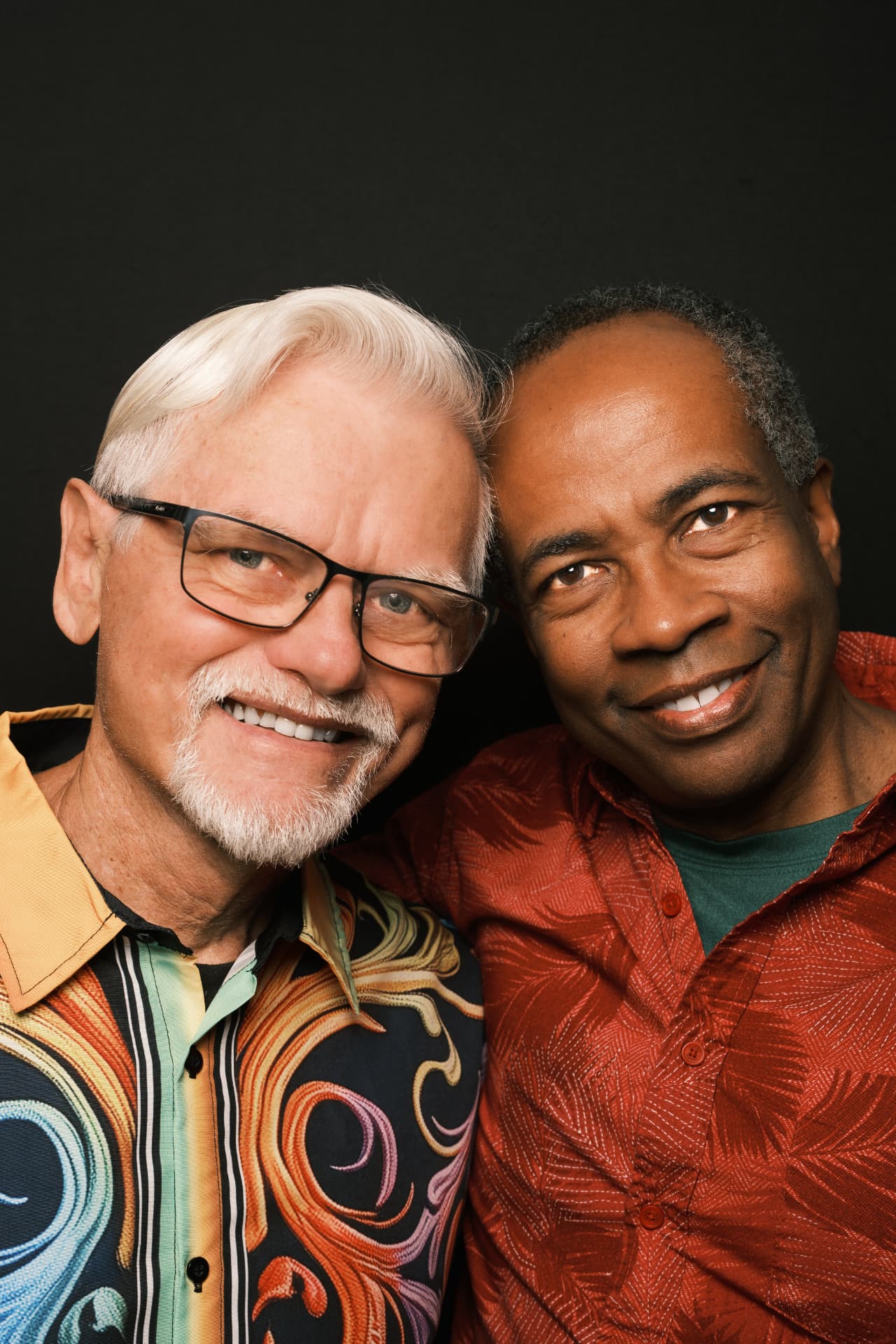
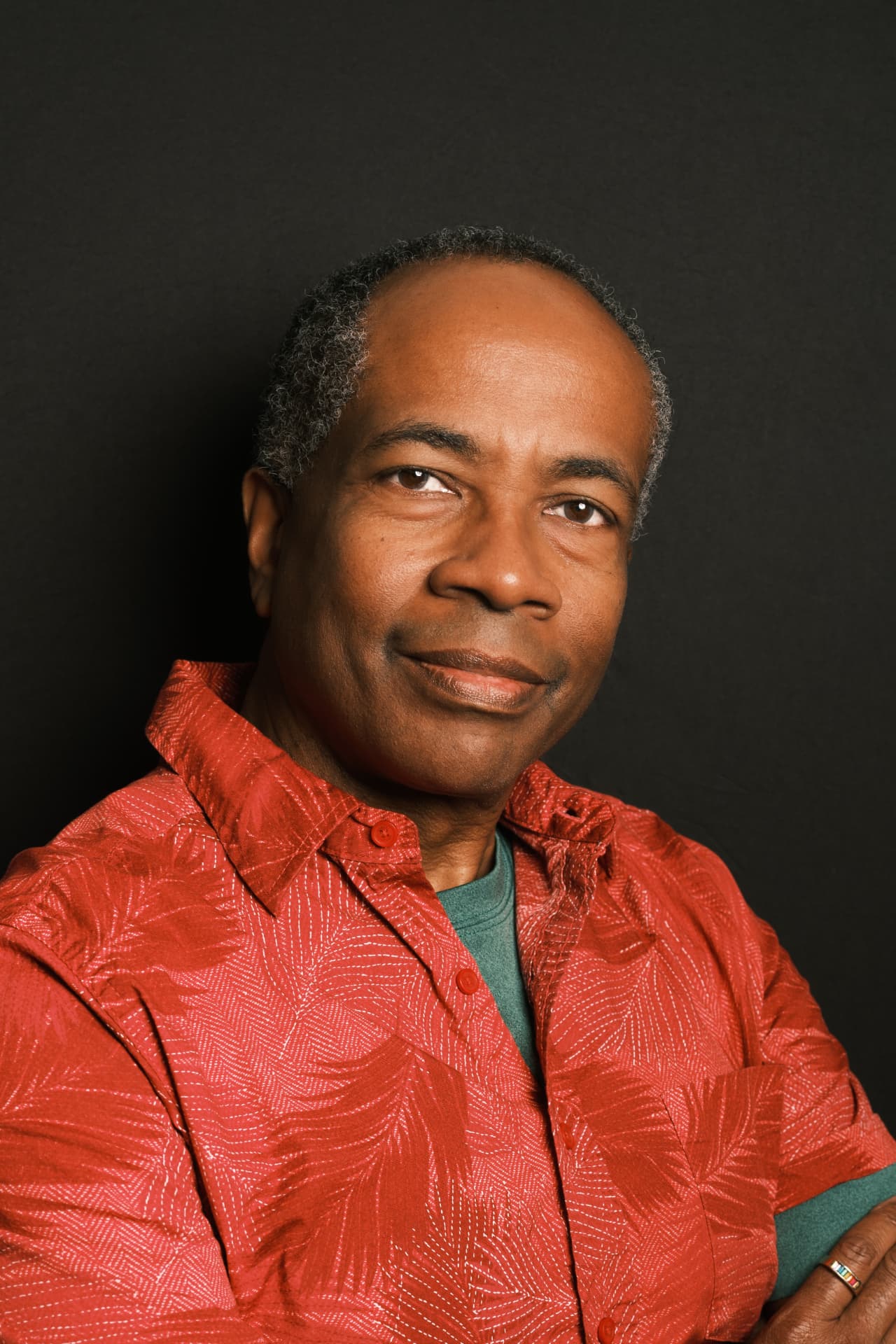
Portrait of Tim and Bob.

Tim and Bob

11

Portrait of Bob Flemming.

Bob Flemming

Legacy is a very strong word. I have spent most of my life trying to figure things out and determine who I am. My parents married young. My mother was 19 years old when she had me. This made me fiercely independent. When they separated when I was 7, I believed it was up to me to make decisions for my mother, older brother, and me. Growing up in a small rural sports-orientated town in Pennsylvania, I realized that this was not the time or place to express myself. I placed all my efforts into academics to get out of that place without getting into trouble. Luckily, I had a group of studious friends so that I was not entirely an outcast. However, I did not feel like I was being my true self and that I did not belong there.

Moving to Washington, D.C. to go to school was the equivalent of a flower being planted in dirt instead of being left by the side of the road. It allowed me to determine my sexuality. However, coming out when the AIDS epidemic was first beginning, presented its challenges. It made me again feel like I couldn't be my true sexual self for fear of death. It made me for a long-time question what I was doing would result in my downfall. Even though I felt more comfortable in D.C., I felt still felt like it was not my forever place.

I had promised myself by the time that I was 26 that I would backpack around Europe. I spent 4 months going to 12 different countries throughout Europe. Finding a place to stay in a country where you did not understand the language was truly a challenge. Coming back to America, I still did not know where I was going to land. I decided to move to cross country to Los Angeles in hopes of finding my true self. In LA, I met Tim. There are 15 years between us. He is the center to my chaotic firestorm. He is small picture compared to my big picture frame of mind. He is this item needs to be solved now versus me thinking that everything needs to be solved now. We have been together for 34 years this year. The age difference between us has presented challenges as we have been navigating through different phases of our lives. Being strong-willed, my solutions have always been right in my mind.

Tim was transferred to Chicago. I agree to go if I could take six months to finally find myself. We decided that we would live there for 3 to 5 years. Of course, neither of these happened as I had a job with his competitor within a week, and we lived there for 26 Years.

12

Portrait of Tim Theis.

Tim Theis

What is one's legacy? How has my life been influenced by the gay people who came before me and how will my life influence and benefit those that follow?

Born in 1950 before there was a real presence of out and proud gay individuals, I didn't actually have much to go on. Growing up in a very small California town only added to the isolation and loneliness that came with not having any role model to look up to and emulate. As a teenager experiencing feelings that I didn't understand and emotions that I couldn't explain left me both confused and isolated. What was going on with me? But I persevered and made it through to adulthood. And then I read about others like me; I met others like me; I connected with others like me. I became part of a community where I could be myself, where I was safe, where I belonged, and where I felt valued. Bolstered by the early pioneering gay icons, my generation began slowly opening the closet door and venturing into a world where we were often met with opposition and resistance. But we have finally thrown open that closet door and emerged energized and empowered to be our true selves. My legacy is built on the shoulders of those that came before me. Those brave and fearless gay individuals allowed me to finally be open and proud of who I am after hiding for so long. They created a world where gay men and women can express themselves, be happy, love and be loved. I only hope that I too can leave this world a bit more open-minded, a little more accepting, and a lot more supportive of gays. We are your brothers and your sisters, your cool aunts, and your fun uncles.

I married my partner of over 20 years (at the time) once it became legal and we have now been together almost 35 years. When people see a happy and loving couple, it doesn't matter your sexual orientation. Our relationship is no less than any other married couple. That is the highlight of my legacy. By living openly and honestly, I hope to inspire those around me to see no difference in our lives than theirs and that of so many others. I hope to be an example to the next generation of what they can be and how they can express themselves to those around them. We are so much more alike than we are different. We just want someone to love and to love us back and be surrounded by people who accept us for who we truly are.

13

Portrait of Max Disposti.

Max Disposti

What is my legacy vision? A sense of justice.

From an early age, I carried a deep care to the suffering of the world and the people in it. In many ways, it was a blessing. My vision of justice gave me something larger than myself to believe in and fight for. It became a guiding force that shaped my life. That drive led me to become an activist at a young age. It gave me the courage not only to come out as a gay man at fifteen, but also to become a visible advocate for others. My commitment to justice has influenced my happiness, my relationships, and the skills I have developed throughout my life. It freed me from the constraints of religion and oppression and, most importantly, gave me a passion for living. Even when life grew difficult and poverty struck, I never lost sight of who I was or what I felt called to do. Curiosity and conviction pushed me beyond the boundaries of my homeland and inspired me to seek new horizons in the United States. It has been both a privilege and a blessing, but also a curse. The same sense of justice that brought me purpose and fulfillment often demanded great sacrifices. From an early age, I gave up time, relationships, and professional opportunities in service of causes that deeply moved me. I held myself to standards higher than those of anyone around me. In Italy, I was more than an activist. I became a national leader, often forced to conceal parts of my life to remain safe. I came to the United States seeking a temporary respite, yet within a few years I had recreated many of the same conditions that had driven me to leave. I was once undocumented, later founded an LGBTQ+ center in a place where such a vision seemed impossible and continued to believe deeply in the power of social movements and transformative change. Today, I am grounded in the understanding that this is who I am. This commitment to justice is not merely something I do; it is the essence of how I move through the world. It has shaped every chapter of my life, and I know that when my final day comes, I will still be walking this same path.

14

Portrait of Richard.

Richard

15

Portrait of Thomasina Jackson.

Thomasina Jackson

In addition to my professional career and civic engagement, volunteering has been one of the most rewarding parts of my life. I have had the privilege of serving with organizations such as the Rotary Club and the North County LGBTQ Resource Center. These experiences have allowed me to work alongside dedicated individuals who share a common goal of improving the lives of others. Through community service projects, advocacy, and outreach, I have witnessed the power of people coming together to create positive change. My volunteer work has reinforced the values that have guided me. throughout my life: compassion, inclusion, respect, and service. At the North County LGBTQ Resource Center, I have supported an organization committed to creating a safe, welcoming, and affirming community where every individual is valued and respected. Through the Rotary Club, I have participated in projects that strengthen communities locally and around the world, demonstrating that service above self is more than a motto-it is a way of life. Together with my Buddhist practice, my work with the United Way, my career at the Superior Court, and my involvement in local political campaigns, these volunteer experiences have shaped the person I am today. Each opportunity to serve has deepened my belief that lasting change begins with ordinary people who choose to care, become involved, and work together for the common good. I hope my legacy reflects not only what I accomplished professionally but also the relationships | built, the communities I served, and the compassion I tried to bring into every aspect of my life.

16

Portrait of Lisa Nava.

Lisa Nava

The silence was the loudest thing I had ever heard. I wasn't exactly sure what homosexuality was, but I was confident that if my brother was making that announcement, it had to be something incredibly awesome.

My parents had a different reaction. After the family meeting, which was adjourned quickly, there were loud exchanges of anger, then the silence enveloped the house for months. As the silence lifted, there was a new tone of rejection and disgust my parents held on to for a very long time, until my mother saw him in love and happy, then there was more harmony and acceptance. My father never truly accepted that this was part of David's identity.

John David Morgan was my older brother, my mentor and one hell of a gorgeous man. He made mix tapes, screenplays, poetry and art. As I came of age and graduated high school, I would come to know many gorgeous men, colorful characters and dance the night away in forbidden Chicago clubs. Travelling to Chicago to visit my brother from Michigan was what I thought would be the start of our grand adventure together. He introduced me to all of his Gold Coast friends, the Leather men, the drag queens….I was everyone's little sister and I LOVED it.

On one visit, the start of a different adventure began for my brother. One marked by fevers, sweats, hazmat suits and trips to the hospital. Brown paper bags of medicine, lesions on his skin. Fundraising to bury or care for friends. Protests.

He kept us believing it was the flu, he had periods of good health, but those beautiful friends knew what I would find out a year later. David had AIDS. The day we found out, he called from Seattle where he and his partner John Shearer had opened a bar called Sparks- the first ever leather bar in the area to offer live drag performances. I was older and more exposed to the world, living a California dream, so when he called to tell us the finality of his diagnosis, the dread and shock I felt was devastating. I had lost my mother just years prior, so this loss was so profound and would cut me off from my queer families for decades.

When I think of my legacy, I think of my brother. I think of my sister who has lived a mostly closeted life her entire 72 years. My legacy is in their honor as I believe they both should have been able to live freely without social stigma and violence. Dedicating my volunteer time, my activism and helping co-create the Senior Legacy Project has been deeply meaningful and healing. Being in community with those who have lived through history like my brother and sister and are here to tell the stories will hopefully ease someone's journey into authenticity.

My brother never dimmed his authentic self, despite coming out and feeling rejection. The love he found with his partner was my first witness to real love and I will never forget that memory imprinted on my heart. How beautiful the love between these two gorgeous men was, how deep the bond, and how everlasting the care.

17

Portrait of Sue Callaway.

Sue Callaway

After being married for 20 years and raising two kids, I became more honest with myself and accepting of my attraction to other women. It had always been a fear of mine; one I denied for years as I thought the cost of living as a gay woman was too high. I believed I would lose my family, my friends, and my job.

Of course, things were much different in the 70s and 80s but today's progress is still not without challenges.

At 76, if I could have lived my life differently, I think I would pursue what I call "my people". The ones that support you, the safe ones. People that encourage and build you up. It's much easier being yourself when you are in that environment. The NC LGBTQ center is a great place to start.

18

Portrait of Gilbert.

Gilbert

19

Portrait of Brad and Jay.

Brad and Jay

We are Brad and Jay. We met in 2002, when Brad was 41 and Jay was 45.

We held our commitment ceremony on a beach in Maui in 2005 (we got "Maui'd") surrounded by close friends, before marriage equality was legal and then we were able to legally marry in 2013—steps in our journey that remind us how far love and advocacy can travel. Growing up, neither of us imagined marriage would be in our future, which makes our partnership, friendships, and chosen family especially precious. Travel has shaped us—meeting people of different ages, races, orientations, religions, and genders deepened our empathy and reinforced our belief that travel can cure prejudice. Whenever we're in New York, we visit The Stonewall Inn to honor those who led the fight for LGBT rights. We gratefully acknowledge the shoulders we stand on and thank those who fought so we can enjoy the rights we have today. We believe it is vital to remember how far we have come and never take for granted the efforts and perseverance of our community throughout history. The determination of decades past must continue to manifest in practice today and in the future — we aren't going back. Our wish for the future is simple: keep our stories alive, care for one another with patience and respect, and continue to make space so every generation can find welcome, dignity, and support.

20

Portrait of Jay.

Jay

21

Portrait of Brad.

Brad

22

Portrait of Charles Finn.

Charles Finn

In June of 1981 I graduated from high school. The future was college, followed by some career or other. July, 1981, Time Magazine introduced the world, and me, to a new disease: AIDS. Now the future was a question mark. College was only a temporary escape from the real world. In short order there were funerals, Act Up, and attempts to round up LGBTQ people and put us in camps. More funerals. More protests. Lots of living for today because there was no guarantee that there would be a tomorrow. For a lot of my generation there was no tomorrow. And yet some of us made it through all of this. For a lot of us it is due to Lesbians, who helped form communities and held our hands as we struggled to make our voices heard. Their legacy of helping and community building informed my life more than I realized at the time. I was lucky - not a hero. But I knew some real heroes. People who lived bravely, coming out when you could still lose your job, your home, and even your family because of who you were or whom you loved. People who bravely shared their HIV status with the world in order to help raise awareness and destigmatize the disease -in the face of tremendous prejudice, even from within our own community. It worked, and we all have benefited from their work and sacrifice. So what is my legacy? I can't claim to have any special insight. Old age brings arthritis more than wisdom. But I can share one thing I've learned that has given my life meaning, and that is commitment to others. To building and participating in community. Things in your life come and go. What remains are the memories and relationships you experienced. I came of age at the dawn of a plague that ultimately killed millions, but I lived through it because so many people came together to fight for humanity in the face of horror. The people whose lives you touch will live on long after you are forgotten.

23

Portrait of Jeanie Croonquist.

Jeanie Croonquist

When I came out in the 1970s, it was illegal to be gay. They could put you in a mental institution and give you electric shock treatments. I was so scared to talk to people at work and people in the neighborhood. They would ask me questions; are you married, do you have a boyfriend, do you have kids? Some people even tried to fix me up with men. I was the only woman I knew who was attracted to women. I saw a lesbian therapist in San Diego, Judi Schaim, and she said she had quite a few patients who were lesbians in North County and she started a lesbian support group.

We were called LINC, Lesbians in North County. It was so wonderful to discover so many lesbians. We were a support group and we had different topics each week. Sometimes we would have "check-Ins" where we would talk about our weeks. Sometimes we would learn about something, such as fire extinguishers.

Things have changed so much in my lifetime. Lesbians can even get married! When I was younger, I never would have thought that was a possibility! I'm in a long-term relationship and I'm very happy and I have lots of friends.

I am so thankful for the LGBTQ Center in Oceanside, and for Max Disposti, and all of the people who work and volunteer there.

24

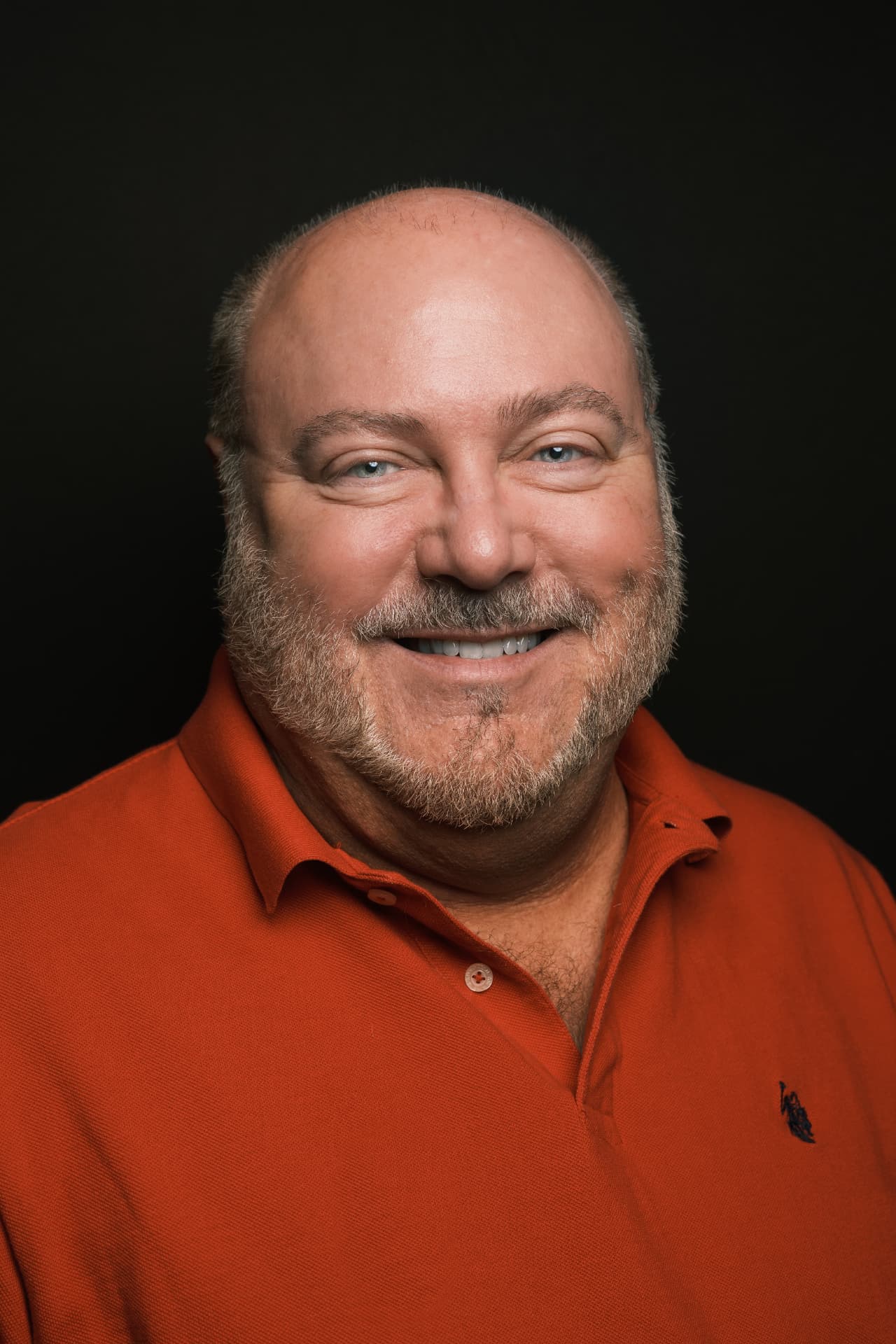
Portrait of Marty.

Marty